Do Seniors Need Personal or Companion Care? Here’s How to Tell

Female nurse gently assisting an elderly woman in combing her hair

Many families start to worry when a parent or grandparent begins to slow down, skip daily routines, or spend more time alone than usual. It can be hard to tell if they simply need company throughout the day or if they already need help with personal tasks. This is where a home health care service becomes valuable, because it can provide either personal care or companion care, depending on what your loved one truly needs.

Understanding the difference between these two types of care is key to giving your loved one the right level of support. This blog will guide you through the signs to look for and how to choose the right option for your family.

When to Consider Personal Care?

This type of care gives aging loved ones hands-on help with daily tasks they can no longer do safely on their own. At Home Care Providers, we offer personal care attendant services that help your senior loved one maintain dignity, cleanliness, and comfort while still allowing them to stay in their home where they feel most at ease.

Personal caregivers can assist with:

  • Grooming and Hygiene Assistance – This includes all personal upkeep tasks that help your loved one stay well-groomed and feel at ease in their day-to-day life.
    • Bathing or showering
    • Brushing and styling hair
    • Oral care and denture cleaning
    • Shaving and skincare
    • Dressing and undressing
  • Mobility and Transfer Assistance – This service helps elderly people move from the bed to a chair, walk with steady support, and change positions safely. It also protects them from strain or injury when their body becomes weak or unsteady.
  • Supervised Eating– Nutritious meals are prepared for them and help is given during feeding when they are unable to eat on their own. This ensures they stay nourished and prevents accidental choking or missed meals.
  • Toileting and Incontinence Care – Seniors receive gentle guidance to and from the bathroom, along with cleanup and comfort care to keep them clean and dry. This is handled with respect to reduce embarrassment or discomfort.
  • Medication Assistance – Reminders are given to take medicines on time, and daily doses are organized to prevent missed or doubled medication. This helps avoid health complications caused by skipped or incorrect doses.
  • Fall Prevention Assistance – Extra care is given during movement to lower the risk of slips and falls, while spotting hazards that may cause injury.

When to Consider Companion Care?

Companion care is focused more on support, comfort, and connection rather than diligent physical help. This service is meant for seniors who can still manage most daily tasks on their own but may need company, encouragement, and light help with their everyday lives. It is often chosen when the main concern is loneliness, safety, and emotional well-being, rather than hygiene or mobility support.

A companion helps create structure in a senior’s day, keeps them socially active, and provides a friendly presence to prevent isolation, which is a common issue for aging adults. This type of care also offers assistance to families who cannot always be physically present but still want someone to check in and make sure their loved one is doing well.

Companion caregivers can assist with:

  • Daily Living Assistance – Light help is given with simple daily routines, but without the intensive support that daily self-care assistance requires.
  • Health Monitoring – Gentle reminders are offered to take medications on time and keep track of simple health notes such as mood changes, appetite, or energy levels.
  • Home Organization – Small household tasks are handled, such as tidying up, washing dishes, organizing clutter, or keeping living areas safe and comfortable.
  • Transportation and Errand Services – Help is provided with appointments, grocery trips, pharmacy runs, or other errands so the older family member can stay active and independent.
  • Companionship Activities – Time is spent talking, playing games, reading, walking outdoors, or doing small hobbies together to support emotional wellness and reduce loneliness.

Read More: The Benefits of Companion Care for Seniors

Signs Your Loved One May Need Home Care Assistance

It is not always easy to know when help is needed, especially when an elderly person still wants to feel independent. Many families notice small changes first but are unsure if these are signs of normal aging or something more serious. Knowing what to look for can help you decide when it may be time to bring in-home care support, before safety or health starts to decline.

  1. Struggles With Basic Daily Tasks
    If your loved one begins to have trouble keeping up with simple tasks, it may be a sign they need extra support at home. These struggles often happen slowly, so small changes like wearing the same clothes for days or skipping showers can be key indicators.
  2. Mobility Starts to Decline or Becomes Risky
    You may notice they hold onto walls or furniture while walking, move more slowly than before, or hesitate when climbing stairs or getting out of bed. Unsteady steps, stiffness, or frequent near-falls are early signals of declining balance or strength.
  3. Poor Eating Habits or Noticeable Weight Changes
    A sudden drop in appetite, untouched meals, or visible weight loss can show that they are struggling to prepare food or no longer eating enough. You might also notice spoiled food in the fridge or irregular eating times, which suggests they are not keeping up with regular meals.
  4. More Frequent Doctor Visits or Ongoing Health Concerns
    A growing number of medical appointments, recurring infections, or slow recovery from minor illnesses can show that their health is becoming harder to manage. You may also notice increased fatigue, weakness, or a decline in energy throughout the day.
  5. Trouble Managing Medications on Their Own
    If they often forget doses, mix up pills, or seem confused about which medication to take, it may indicate difficulty keeping track of their schedule. Full pill bottles, missed refills, or repeated reminders are common signs of this struggle.
  6. Aggressive or Confusing Behavior Linked to Dementia
    Memory loss can lead to fear, confusion, or agitation. These changes are common in elderly people with dementia, and having a trained caregiver provides patience, structure, and calm guidance.
  7. Wandering or Leaving Home Unsafely
    You may notice them stepping outside without purpose, getting lost in familiar places, or attempting to leave the house at unusual hours. This often happens due to confusion or disorientation and can become more frequent as memory issues progress.
  8. Family Caregiver Is Becoming Overwhelmed
    Caring for a loved one is emotional and physically demanding. If you are exhausted, stressed, or feeling guilty for not being able to keep up, it may be time to bring in additional supervision so you can rest and still know your loved one is well cared for.

Also Read: What Do Seniors Need the Most Help With?

Steps to Make the Final Decision

Elderly man sitting on the sofa while his adult son and daughter speak with him

Choosing the right level of care works best when you approach it thoughtfully and step-by-step. This helps you identify what matters most for your loved one’s comfort, dignity, and overall quality of life.

  1. Assess Their Current Abilities – Look at what they can still do and what they now avoid or struggle with on a daily basis.
  2. Identify the Most Urgent Needs – Determine whether the primary challenge is loneliness and emotional support, or physical assistance with daily activities.
  3. Consider Their Preferences – Ask your loved one how they feel about receiving help, what makes them comfortable, and what kind of encouragement they would welcome.
  4. Contact Healthcare Professionals – Share your observations with their doctor or care provider, who can offer guidance and confirm which type of care is the better match.

For a full guide to choosing the right provider, you can refer to “Choosing the Right Home Care Provider: A Comprehensive Guide”.

Get Professional Companion Care and Personal Care Services in Orange County

At Home Care Service, we provide elderly home care designed to fit the unique needs of each senior in Orange County. Whether your loved one needs active care or companionship for emotional and social support, our team offers flexible care plans tailored to their set habits, health conditions, and comfort level. Our caregivers are trained, compassionate, and dedicated to helping them live safely at home while preserving dignity, independence, and peace of mind for the entire family.

If you believe it may be the right time to seek help, we are here to guide you. Contact Home Care Providers to learn more about our personalized services and schedule a consultation. Our team can assess your loved one’s needs and recommend the right level of care, all from the home they love.


 

The Hidden Value of Companionship Care for Seniors Living Alone

An elderly woman being assisted at home by a companion caregiver

Aging alone can be difficult. Many seniors struggle with long hours of silence, limited mobility, and the absence of daily connection. Over time, this isolation can affect mood, motivation, and even health. Companion care bridges that gap by offering not just help, but human presence, someone who listens, shares stories, and brings warmth into the home.

Explore how this home care service nurtures emotional well-being, supports mental clarity, and adds ease to daily routines. Understand what sets it apart and why families choose it for their loved ones.

What Is the Meaning of Companion Care?

Companionship care focuses on emotional and social support for older adults who may not need medical assistance but still value personal connection. This form of home health care service includes spending time together, sharing meals, playing games, and helping with small household tasks. Caregivers may also accompany seniors on walks, appointments, or social events, keeping them engaged with life beyond their walls. What makes it unique is that it nurtures happiness and belonging, both essential to a fulfilling aging experience.

What is the Difference Between Companion Care and Respite Care

Companion care and respite care both support seniors, but they serve different purposes. Companion care focuses on emotional support, social engagement, and assistance with daily routines for seniors who are generally independent. Caregivers spend time providing companionship, mental stimulation, and light help around the home, ensuring seniors stay active and connected.

Respite care, on the other hand, is designed to give family caregivers temporary relief. It provides more hands-on support with personal care tasks, medical needs, or supervision, allowing primary caregivers time to rest, attend to other responsibilities, or travel. While both services improve quality of life for seniors, companion care emphasizes ongoing social interaction and emotional support, whereas respite care emphasizes caregiver relief and more intensive assistance.

Why Emotional Support Matters in Aging

As we grow older, emotional well-being becomes just as important as physical health. Seniors who feel connected tend to experience better overall happiness and lower stress. Companionship care helps build that emotional strength through trust, understanding, and consistent interaction.

Here’s how emotional support helps seniors thrive:

  • Reduces feelings of isolation: Beyond simply having someone present, consistent emotional support gives seniors a sense of belonging and connection. Knowing that someone checks in regularly can help prevent the emotional strain and health risks associated with prolonged loneliness, such as depression or cognitive decline.
  • Boosts motivation and engagement: Emotional support encourages seniors to participate in activities they might otherwise avoid, from daily tasks to light exercise. This engagement not only maintains physical health but also reinforces a sense of accomplishment and purpose each day.
  • Fosters confidence and independence: Supportive companionship allows seniors to take on tasks at their own pace, knowing assistance is available if needed. This reassurance strengthens self-reliance and encourages them to continue managing aspects of their life independently.
  • Encourages emotional resilience: Regular positive interactions help seniors adapt to life changes, including health challenges or the loss of friends and family. Emotional support provides a safe space to process feelings, reducing stress and promoting a balanced emotional state.
  • Strengthens overall mental well-being: Companionship can enhance a senior’s sense of security and reduce anxiety, contributing to better sleep, a calmer mind, and a generally more optimistic outlook. Over time, this stability supports both mental and physical health, creating a more fulfilling daily experience.

How Companionship Care Improves Daily Living

A companion’s role goes beyond conversation, they also help make each day more comfortable and productive. This kind of care keeps seniors active, organized, and confident in managing their daily routines.

Here’s how caregivers make a real difference:

  • Encouraging daily routines: Companions gently remind seniors to take medications, eat regularly, or move around to stay active.
  • Maintaining independence: By providing light assistance instead of full dependence, companions help seniors continue doing things on their own safely.
  • Supporting nutrition and comfort: Caregivers can prepare simple meals or share mealtime conversations, turning everyday tasks into enjoyable moments.
  • Creating a safer home environment: Companions observe changes in mood, mobility, or habits and alert families to potential concerns early on.

Also Read: Evaluating the Effectiveness of Home Care: Metrics and Feedback

The Role of Companionship in Cognitive Health

An elderly man having a conversation with a nurse at home

Social connection plays a vital part in keeping the brain active. When seniors interact with others regularly, it stimulates thinking, memory, and focus. For seniors living alone, having a familiar companion provides not only comfort but also consistent mental stimulation that supports long-term cognitive health.

Here’s how companionship supports cognitive well-being:

  • Medication reminders and management: Caregivers ensure medications are taken on schedule, which is critical for preventing confusion, memory lapses, or cognitive decline caused by missed doses.
  • Cognitive exercises and mental challenges: Professionals can introduce memory games, simple problem-solving tasks, or word puzzles tailored to the senior’s abilities, keeping neural pathways active.
  • Routine monitoring for cognitive changes: Companions can observe early signs of forgetfulness or confusion, enabling timely medical consultation and intervention to slow progression.
  • Encouraging new learning opportunities: Caregivers may introduce seniors to light educational activities, reading, or skill-building exercises, stimulating the brain in diverse ways that promote neuroplasticity.
  • Structured social engagement: By guiding meaningful conversations and interactions, companions help maintain communication skills and attention span, reducing the risk of social withdrawal that can negatively affect cognition.

Read More: Cognitive Stimulation Activities for Seniors in Home Care Settings

Building Trust Between Seniors and Caregivers

Trust grows when companionship feels genuine. A caregiver’s presence becomes part of a senior’s daily comfort, creating a dependable bond that improves emotional stability and confidence.

In elderly home care, caregivers spend time learning about a client’s preferences, schedules, and personality. Over time, this connection transforms care into friendship, built on empathy and consistency. When seniors trust their caregivers, they’re more open to communication, follow advice more easily, and feel secure knowing someone truly cares about their well-being.

Why Families Choose Professional Companionship Services

Families often look for reliable, compassionate support that fits both emotional and safety needs. Professional companionship services provide reassurance that seniors receive quality care even when loved ones can’t be there.

Families choose these services for many reasons:

  • Expertly trained caregivers: Agencies carefully vet and educate staff, equipping them with skills to respond effectively to seniors’ emotional and practical needs. This ensures clients receive competent care from individuals who understand the nuances of aging.
  • Tailored care plans: Each senior’s preferences, routines, and lifestyle are taken into account. Customized schedules and activities maximize comfort, engagement, and independence while addressing individual health considerations.
  • Transparent updates and reporting: Families are kept informed through regular check-ins, progress notes, or digital updates. This clarity strengthens trust and allows loved ones to feel connected even from a distance.
  • Safety monitoring and proactive support: Companions observe potential risks and implement preventive measures, from ensuring safe mobility to encouraging proper hydration and nutrition, reducing the likelihood of accidents or health setbacks.
  • Relief and assurance for families: Knowing a trained professional is present provides peace of mind. Families can focus on work, errands, or personal time, confident that their loved one is in capable and compassionate hands.

Related Article: At What Age Do Most Seniors Need Care?

Finding the Right Companion for Your Loved One

Choosing the right companion involves more than matching availability; it’s about finding someone whose personality, patience, and compassion align with your loved one’s lifestyle. The right caregiver should bring not only skill but also kindness, respect, and understanding.

At Home Care Providers, we take time to understand each client’s unique story before pairing them with the right companion. Our team in Orange County is dedicated to improving quality of life through dependable companionship and heartfelt care.

If your loved one lives alone and needs comfort and support, contact Home Care Providers today. Let us help you find a compassionate companion who brings warmth, trust, and joy into their home.

How Veterans Can Take Advantage of VA Home Care Benefits

An elderly man having a conversation with his caregiver

Many veterans face challenges managing daily life after service, especially when dealing with medical conditions or mobility limitations. Struggling to get proper care at home can be overwhelming for both veterans and their families.

Fortunately, the VA offers home health care services designed to support daily living, medical needs, and overall well-being. This blog will guide you through accessing these benefits, understanding what’s available, determining eligibility, and connecting with the right providers to ensure you or your loved one receives the care needed at home.

How to Access VA Benefits for Home Care

VA’s home care programs can feel complicated, but understanding the steps involved makes the process smoother. Accessing these benefits requires planning, documentation, and communication with the VA and healthcare providers to ensure your needs are met efficiently.

  1. Enroll in VA HealthcareThe first step to accessing VA home care benefits is enrolling in the VA health care system. Enrollment is essential because only veterans who are part of the system are eligible for community care services, including in-home assistance. Being enrolled ensures that your medical records are on file, allowing VA healthcare providers to assess your needs accurately and coordinate the right support for your situation.
  2. Gather Necessary DocumentsBefore applying for home care services, it’s important to gather all necessary documents to make the process as smooth as possible. Having these ready helps prevent delays, ensures your eligibility is verified quickly, and allows the VA to provide services tailored to your needs. Key documents include:
    • Social Security Number: Required for identity verification and to match your records with VA systems. This ensures your application is correctly processed and linked to your personal history.
    • Military Discharge Papers (DD-214): Confirms your service history and eligibility for VA benefits. These papers are essential for determining your enrollment status and the types of services you qualify for.
    • Medical Records: Provides evidence of your current health conditions, treatments, and functional limitations. This helps the VA understand your clinical needs and determine the level of in-home care necessary.
    • Additional Documentation: Any supporting paperwork that demonstrates your need for home care, such as physician notes, therapy records, or assessments of daily living challenges. These documents ensure the VA has a complete picture of your requirements.
  3. Contact the VAOnce you are enrolled and have your documents ready, the next step is to reach out to the VA’s Community Care office. Contacting the VA allows you to start your application, ask questions about eligibility, and learn about the full range of services available. The staff can guide you through the process, connect you with the right providers, and help schedule assessments to determine the level of home care support you may require.

Related Article: The Impact of Home Care on Family Caregivers: Alleviating the Burden 

What Benefits Do Veterans Get Through the VA?

The VA provides a variety of services aimed at helping veterans maintain independence, improve quality of life, and reduce stress for both themselves and their families. These benefits cover medical, personal, and supportive care needs to ensure veterans can remain safely at home.

  • Personal Care: Personal care attendants assist veterans with everyday needs such as bathing, dressing, grooming, and toileting. They provide hands-on help while maintaining the veteran’s comfort and dignity, ensuring that daily routines are done safely and with care.
  • Daily Living Support This service offers help with tasks that keep the home running smoothly, including meal preparation, light housekeeping, and medication reminders. It ensures that veterans live comfortably and continue enjoying a safe, organized home environment.
  • Transportation Assistance Veterans can receive help getting to medical appointments, running errands, or going grocery shopping. Reliable transportation services ensure veterans remain active and connected to essential resources without worrying about mobility challenges.
  • Respite Care Respite care gives family caregivers a temporary break while ensuring their loved one continues to receive quality care. It provides peace of mind for families who need time to rest, recharge, or attend to personal matters.
  • Occupational Therapy Through occupational therapy, veterans receive personalized support to maintain or regain independence at home. Therapists focus on improving daily function, mobility, and safety, allowing veterans to perform essential tasks with confidence.
  • Confidential Counseling Counseling services are available for both veterans and their families, offering emotional and mental health support in a private setting. These sessions help address stress, anxiety, grief, or adjustment challenges that may come with aging or life transitions.
  • Companion Care Companion care provides friendly and supportive company for veterans who may live alone or need social engagement. Caregivers offer conversation, emotional support, and assistance with light activities, helping reduce loneliness and improve overall well-being.

Also Read: Understanding the Different Types of Home Care Services Available

Eligibility and Access

Before applying for VA home care services, it’s important to understand who qualifies and how the services are delivered. Eligibility depends on medical needs, service history, and enrollment in the VA healthcare system.

Eligibility Criteria

Specific eligibility for veteran home care services is based on a veteran’s medical and financial situation, as well as their service-connected conditions. To qualify, the veteran must meet the following key requirements:

  • Honorable Discharge: Veterans must have been discharged under conditions other than dishonorable.
  • Clinical Needs: Eligibility also depends on demonstrating functional limitations in performing Activities of Daily Living (ADLs), such as bathing, dressing, eating, and toileting. Additionally, veterans must require help with Instrumental Activities of Daily Living (IADLs), which include meal preparation, light housekeeping, and grocery shopping.
  • Medical Assessment: A VA healthcare provider must perform an assessment to evaluate the veteran’s medical condition and confirm their need for in-home care services.

Community Care Network (CCN)

Once eligibility is confirmed, veterans can access care through the VA’s Community Care Network (CCN). This network connects veterans to community-based providers who deliver services such as personal care, daily living assistance, and respite support. Through CCN, veterans receive the help they need in their homes while remaining closely connected to VA oversight and quality standards.

Common Mistakes to Avoid When Applying

Many veterans face delays or denials due to missing paperwork, incomplete applications, or unclear documentation of medical needs. Knowing what to avoid ensures a smoother process and faster access to care. Below are the most common errors and how to prevent them:

  • Missing or Incomplete Documents: Submitting an application without all required forms or records is one of the most common causes of delay. Always double-check that you’ve included your Social Security number, discharge papers (DD-214), and medical records that support your need for home care services.
  • Lack of Medical Documentation: Failing to provide clear evidence of your clinical condition can lead to a denial. Make sure your healthcare provider includes detailed notes about your limitations with Activities of Daily Living (ADLs) and Instrumental Activities of Daily Living (IADLs).
  • Not Enrolling in VA Healthcare First: Veterans must be enrolled in the VA healthcare system before applying for community or home care benefits. Skipping this step can delay approval or make you temporarily ineligible for services.
  • Unclear or Outdated Information: Providing incomplete or outdated contact details, addresses, or healthcare provider information can cause miscommunication and slow down processing. Review your forms carefully before submission.
  • Failure to Follow Up: Some veterans assume their application is being processed and never check back. Regularly following up with your VA Community Care office helps you stay updated on your application status and address any missing information quickly.

How to Choose the Right Home Care Service Provider

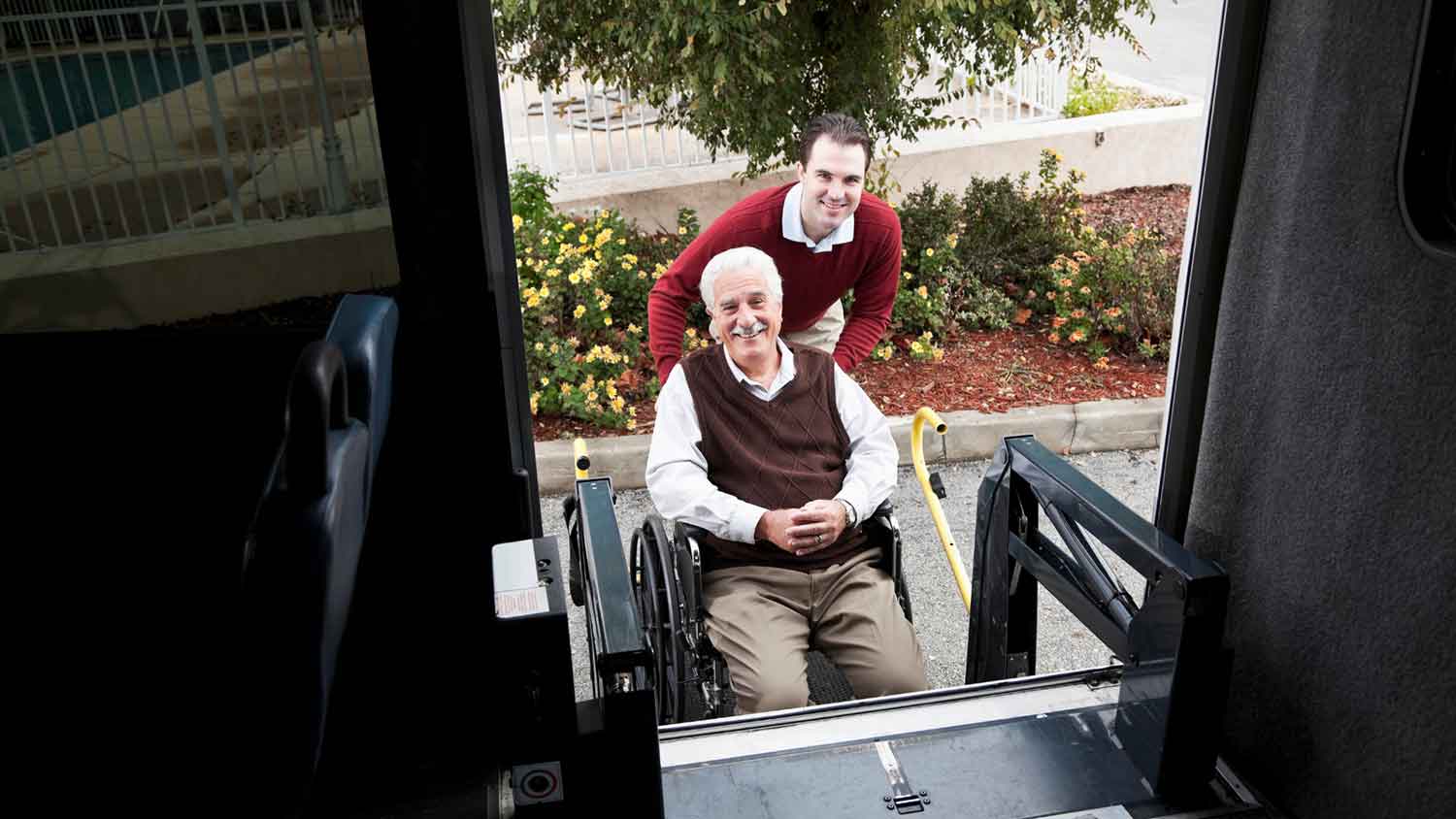
An elderly woman being helped by a caregiver to get into a vehicle

Choosing the right provider is critical for quality care at home. Look for certified, experienced professionals who understand veterans’ unique needs, can coordinate with the VA, and provide personalized support to improve daily living and overall well-being.

Here are key factors to consider when selecting a provider:

  1. VA Coordination Experience
    Choose a provider familiar with VA programs and paperwork. This ensures they can help manage your benefits efficiently and work directly with VA representatives for smoother communication and faster approvals.
  2. Qualified and Trained Staff
    Make sure caregivers are licensed, background-checked, and trained in assisting veterans with physical limitations, chronic illnesses, or recovery needs. Experienced professionals can provide the right level of care and support.
  3. Range of Services Offered
    Look for providers offering both medical and non-medical care, from personal assistance and therapy to meal preparation and companionship. A wide range of services allows for flexibility as care needs change over time.
  4. Personalized Care Plans
    Reliable providers create customized care plans tailored to each veteran’s health condition, schedule, and personal preferences. This ensures consistent and compassionate support that promotes independence.
  5. Communication and Transparency
    Effective communication between caregivers, families, and healthcare professionals is essential. Choose an agency that keeps you informed and responds promptly to questions or concerns.
  6. Commitment to Comfort and Dignity
    The best elderly home care providers focus on maintaining dignity, respect, and emotional well-being while delivering physical support. Compassionate caregivers make a lasting difference in quality of life.

Read More: Supporting Veterans at Home: The Role of Home Care Provider

Home Care Providers — Your Partner in Veteran Support

Securing the right home care can make all the difference in a veteran’s comfort, independence, and peace of mind. With the right guidance and compassionate caregivers, veterans can enjoy the care they deserve while staying in the place they call home.

At Home Care Providers, we’re dedicated to helping veterans access trusted, high-quality in-home assistance tailored to their unique needs. Our experienced team works closely with families and the VA to ensure every step is handled with care and professionalism.

Contact Home Care Providers today to learn how our services can support you or your loved one in maintaining comfort, independence, and dignity at home.

Types of VA Home Care Benefits: CCN, A&A, PCAFC & VDC

A veteran being cared for by a nurse

When caring for a veteran or supporting a family member who has served, the cost of home care and long-term support is often one of the biggest concerns. Many veterans want to stay in the comfort of their homes, close to family, instead of moving to a facility. That’s where home health care for veterans becomes so important; it provides the right balance of medical support and personal assistance, without taking away independence.

The VA offers several programs designed to meet different levels of care. These programs can help cover in-home assistance, skilled care, and other essential services. Understanding these options can make a real difference in planning for both the day-to-day needs and future well-being of your loved one.

Overview of VA Benefits for Home Care

VA benefits for home health care are coordinated through a centralized system that evaluates each veteran’s needs and assigns the appropriate level of support. Veterans and their families can work with VA case managers or accredited representatives. Understanding the framework of these programs helps families plan for both immediate care needs and long-term health management.

Approved care plans are implemented through home care agencies that follow VA guidelines and coordinate closely with case managers. They monitor the veteran’s health, adjust support as needs change, and provide guidance to families. This structured approach ensures veterans receive reliable and professional assistance while families have confidence that their loved ones are supported safely and effectively.

Read More: Supporting Veterans at Home: The Role of Home Care Provider 

Main Types of VA Home Care Benefits

The VA’s home health care service programs are structured to meet each veteran’s individual needs. These programs combine professional guidance, financial assistance, and flexible caregiving options, helping veterans remain independent while receiving reliable support at home.

CCN (Community Care Network) Home Care

The Community Care Network (CCN) connects veterans with VA-approved private agencies for in-home care. It coordinates services between VA providers and external partners to maintain consistent quality and oversight. Under this program, a personal care attendant may assist veterans with essential daily routines while ensuring that care remains properly monitored and professionally delivered.

A&A (Aid & Attendance) Benefit

Aid & Attendance (A&A) offers additional financial assistance to veterans who require help with daily living. The benefit complements existing VA pensions, ensuring that funds are directed toward approved home care expenses. It helps veterans maintain long-term in-home support while reducing the financial burden on their families.

PCAFC (Program of Comprehensive Assistance for Family Caregivers)

The Program of Comprehensive Assistance for Family Caregivers (PCAFC) supports family members who serve as primary caregivers. Eligible caregivers may receive a monthly stipend, training, and health insurance benefits. This program empowers families to continue providing care at home while recognizing their critical role in supporting the veteran’s well-being.

VDC (Veteran-Directed Care)

Veteran-Directed Care gives veterans the flexibility to choose and manage their own caregivers while controlling how their care budget is used. This independence allows veterans to design a care plan that fits their preferences and lifestyle. The program also includes options for respite care, offering temporary relief for family caregivers while ensuring the veteran’s needs remain consistently met.

Also Read: Understanding the Different Types of Home Care Services Available 

Who Qualifies for VA Home Health Care Benefits

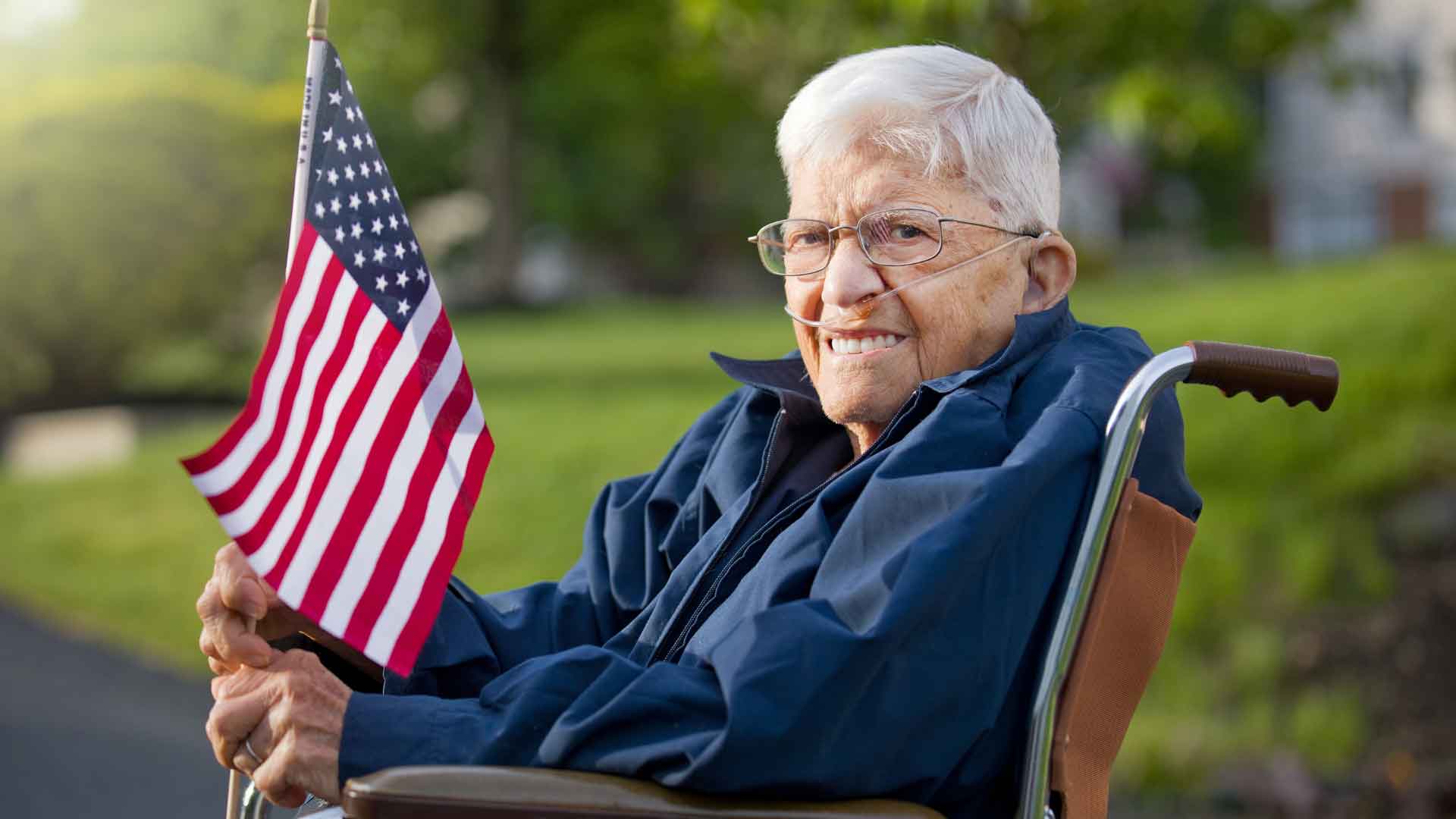
An elderly man in a wheelchair holding the American flag

Eligibility for VA home health care depends on a combination of the veteran’s medical needs, service history, and the specific program being accessed. Veterans or their families can contact their local VA office, speak with a care coordinator, or submit forms online to begin the process.

Common Qualifications:

  • Daily assistance needs, such as help with bathing, eating, dressing, or mobility
  • Service-connected disabilities or chronic medical conditions
  • Low income or financial need for caregiving support
  • Requirement for full-time or ongoing home care
  • Verification of service history and eligibility documentation

What Is Considered a Permanent VA Disability?

A permanent VA disability is a service-connected condition that the VA expects will not improve and that requires ongoing care or support. This status can affect monthly compensation, eligibility for certain programs, and access to services like elderly home care. The key factors are medical evidence, service connection, and a VA determination that the condition will persist.

Steps to establish permanency

  1. Collect medical records. Gather VA and civilian notes, test results, and any specialist reports that describe your condition and long-term prognosis.
  2. Document service connection. Show how the condition relates to military service — service records, incident reports, or post-service treatment notes help establish the link.
  3. File a claim. Submit a disability claim to the VA with your supporting documents. You can file online, by mail, or with help from a veterans’ representative.
  4. Attend VA exams. The VA may request a Compensation & Pension (C&P) exam to assess the condition and current limitations. Go to scheduled exams and bring recent medical records.
  5. Request a permanence statement. Ask your treating clinician to note whether the condition is unlikely to improve and to describe ongoing care needs; such statements strengthen a claim for permanent status.
  6. Review the VA decision. The VA issues a rating and may label a condition as permanent and total or permanent. Read the decision closely and note any scheduled future exams.
  7. Appeal or seek review if needed. If the rating or permanence finding does not match your records, file for review or appeal with assistance from an accredited Veterans Service Organization (VSO) or attorney.

How To Apply for VA Home Care Benefits in California

Applying for VA benefits in California follows the national process, but local and county offices can provide extra guidance. Prepare your paperwork, decide how to file your claim, and use available resources for a faster review. If you’re requesting in-home support, include detailed documentation of daily care needs so the VA can properly assess your request for home health care service.

Application Steps

  1. Gather your records. Collect your DD-214 or separation papers, valid ID, medical records, and any proof of caregiver involvement or related expenses.
  2.  Decide where to file. Submit your claim online through VA.gov, visit a regional VA office, or seek help from a county veterans service office or accredited representative.
  3. Complete and review your claim. Fill out the correct benefit form and attach your supporting documents. Ask a VSO or case manager to review it before submission.
  4. Provide evidence of home care needs. For in-home support, include clinician notes or functional assessments describing daily limitations.
  5. Respond promptly to VA requests. Attend scheduled exams or provide additional documents right away to avoid delays.
  6. Track your claim. Monitor your application on VA.gov or through your local office, and keep copies of everything you send.
  7. Set up care once approved. After approval, your VA care coordinator will help arrange elderly home care, assign a personal care attendant, or finalize payment and caregiver support.

Processing times vary by program. Submitting complete information and maintaining regular contact with your VA representative can help shorten the wait.

Common Challenges and Ways To Overcome Them

Applying for VA home benefits can be time-consuming, especially for families unfamiliar with the process. Common difficulties include paperwork errors, eligibility confusion, and long wait times. Below are ways to manage them effectively:

  • Complex paperwork: The forms can be detailed and easy to misinterpret. Working with a VA-accredited representative helps ensure accuracy and completeness.
  • Eligibility uncertainty: If you’re unsure which program applies, a VA case manager can connect you with the right home health care service for your needs.
  • Delays in approval: Some claims take longer to process. Staying in touch with your local office and tracking your claim online keeps you updated.
  • Caregiver fatigue: Balancing home care with other duties can be draining. Accessing respite care or part-time assistance through VA programs can ease the pressure.
  • Policy updates: VA guidelines change periodically. Subscribing to updates or connecting with veteran organizations helps you stay informed about new benefits.

Can Caregivers Receive Financial Support?

Yes. Through programs like PCAFC and Aid & Attendance, caregivers may qualify for stipends or financial assistance. This support helps families cover the costs of elderly home care and ensures that caregivers are not left struggling financially while providing full-time assistance.

Resources & Support for Veterans and Caregivers

Veterans and their families in Orange County can access support through local VA offices, nonprofit organizations, and community centers. The VA Caregiver Support Line provides direct guidance from trained professionals who can answer questions and help families navigate available programs. Local Veterans Service Organizations (VSOs) in Orange County also assist with applications, advocacy, and connecting veterans to additional resources.

County-specific programs and services complement VA benefits, offering extra options for elderly home care and in-home support. Participating in Orange County veteran communities and online forums allows families to share experiences, ask questions, and stay informed about new programs and local events.

Trusted Home Health Care for Veterans

Caring for veterans goes beyond medical treatment, it requires respect, compassion, and dependable support.  Home Care Providers is fully credentialed by the U.S. Department of Veterans Affairs (VA) as part of the Community Care Network (CCN). This approval reflects our compliance with rigorous standards, including comprehensive caregiver training, thorough background checks, and strict service quality requirements, ensuring veterans and their families receive care from a trusted, verified agency.

When you need VA-approved home care, Home Care Providers is here to guide you every step of the way. Contact us today to learn how our personalized home health care services can make daily life easier for your loved one.

Understanding the Role of Nutritionists and Dietitians in Home Care

A dietician examines a variety of foods spread on a table

As we age, our nutritional needs evolve. Metabolism slows, digestive systems become less efficient, and appetite may decrease. Eating a balanced diet and getting proper nutrition are essential for maintaining good health.

For seniors receiving care at home, meeting nutritional needs can be particularly challenging due to chronic conditions or limited mobility. That’s why it’s important for home health care service providers to work with skilled dietitians and nutritionists.

In this blog, we will explore the distinctions between nutritionists and dietitians, detail their specific roles in home care, and highlight how their collaboration with caregivers and healthcare providers contributes to comprehensive home care.

What is The Difference Between a Nutritionist and a Dietitian?

Understanding the differences between nutritionists and dietitians is essential for families seeking elderly home care. Though both focus on food and health, their qualifications, responsibilities, and approaches can vary significantly.

Dietitian

Dietitians are licensed medical professionals who complete rigorous training that includes a university degree in dietetics, supervised clinical practice, and certification exams.They are qualified to provide medical nutrition therapy, which involves creating dietary plans for specific health conditions, monitoring clinical outcomes, and adjusting interventions based on laboratory results and patient response. Dietitians often work closely with physicians and nurses to integrate nutrition with broader treatment plans.

Nutritionist

Nutritionists are knowledgeable about food and wellness, but their levels of formal training can vary widely. Some hold advanced degrees or certifications in nutrition science, while others focus on general health and lifestyle guidance. Nutritionists commonly provide education on healthy eating habits, weight management, and disease prevention.

Role of Nutritionists and Dietitians in Home Care

Good nutrition can make a big difference in a senior’s health, and that’s where nutritionists and dietitians come in. In home care, they do much more than plan meals; they help seniors stay energized, and feel their best every day.

From assessing dietary needs to teaching caregivers how to prepare balanced meals, these professionals are key members of a home care team. Each role they take on is focused on keeping seniors healthy, independent, and enjoying life at home.

Read More: Understanding the Different Types of Home Care Services Available

Assessor

Assessment is the first step in providing truly personalized nutrition. Nutritionists and dietitians carefully examine a senior’s health profile, including medical history, medications, conditions, allergies, and digestive concerns. They also take into account appetite, hydration, weight trends, and daily abilities, such as preparing meals or feeding themselves.

This detailed evaluation highlights potential risks like nutrient deficiencies, dehydration, or malnutrition before they become serious. It also forms the foundation for meal plans that are both practical and enjoyable, ensuring recommendations are safe, effective, and tailored to each senior’s individual goals.

Planner

Once needs are assessed, nutritionists and dietitians design comprehensive meal plans that meet both nutritional and medical requirements. These plans take into account the senior’s lifestyle and preferences. Creating structured, realistic meal plans ensures that seniors not only receive adequate nutrition but also enjoy foods they like, which encourages adherence and improves overall quality of life.

Evaluator

Tracking a senior’s response to their nutrition plan is a key part of maintaining health at home. Nutritionists and dietitians regularly evaluate weight changes, hydration, energy levels, digestion, and clinical markers such as blood pressure or blood sugar. They also check adherence to meal plans and identify early signs of nutrient deficiencies or complications.

Ongoing evaluation allows for timely adjustments to diets, helping seniors stay on track with their health goals. This proactive approach not only supports better daily wellness but also reduces the risk of hospitalization and improves long-term outcomes, especially for those managing long-term conditions.

Specialist

Among all the roles a nutritionist or dietitian plays in home care, serving as a specialist is one of the most critical. Seniors often face chronic health conditions or dietary restrictions that require precise attention and expert guidance.

In this role, nutrition specialists design highly targeted interventions, ensuring that every meal supports both overall wellness and the management of specific medical needs. Their work helps prevent complications, supports recovery, and allows seniors to maintain quality of life while living safely at home.

Examples of specialized care include:

  • Diabetes management: Nutrition specialists carefully design meal plans to regulate carbohydrates and monitor glycemic load, helping maintain stable blood sugar levels throughout the day. They recommend balanced meals that include complex carbs, fiber-rich vegetables, and lean proteins while limiting simple sugars. By doing so, seniors can prevent spikes and crashes in blood glucose, reduce the risk of complications, and improve overall energy and well-being.
  • Heart disease: Dietitians emphasize reducing sodium and unhealthy fats while incorporating heart-friendly options. Meals may include omega-3-rich fish like salmon, walnuts, flaxseeds, and plenty of fruits and vegetables. This approach helps manage cholesterol levels, blood pressure, and inflammation, supporting cardiovascular health and reducing the risk of heart attacks or strokes.
  • Kidney health: For seniors with kidney concerns, specialists carefully manage protein, potassium, and phosphorus intake to avoid overloading the kidneys. Meal plans focus on moderation and balance, choosing kidney-friendly protein sources and incorporating fresh produce that supports overall nutrition without stressing kidney function. This helps prevent complications and supports long-term kidney health.
  • Food allergies or intolerances: Dietitians ensure that seniors receive complete nutrition while avoiding foods that could trigger allergic reactions or digestive issues. They develop alternative meal plans that meet all macro- and micronutrient needs, using substitutions and creative cooking methods to keep meals safe, satisfying, and enjoyable.

Educator

Education is a key aspect of nutrition care. Professionals guide seniors and caregivers on portion control, balanced diets, meal preparation, and safe food handling. They explain how nutrition affects certain conditions, energy levels, immunity, and mental clarity.

Educators empower families to take an active role in care. By understanding why certain foods are recommended or restricted, caregivers can consistently provide meals that support the senior’s health, ensuring long-term adherence and success.

Supporter

Supporters focus on encouraging daily behaviors that maintain nutrition and hydration. They observe seniors for changes in appetite, fluid intake, or energy levels and intervene when necessary. Supporters provide reassurance, motivation, and reinforcement, ensuring that seniors remain engaged with their dietary plans.

This role is especially important for seniors living alone or with limited caregiver support, as consistent encouragement can prevent missed meals, dehydration, or nutrient deficiencies.

How They Collaborate With Your Team

Successful home care requires a multidisciplinary approach. Nutrition professionals, nurses, physicians, and caregivers must work together to ensure seniors receive comprehensive, coordinated care.

Nutritionists and dietitians contribute valuable expertise to this collaboration, providing insights into how diet affects disease management, recovery from illness, and overall wellness. Their input helps healthcare teams make informed decisions about medications, therapies, and lifestyle interventions.

In elderly home care, this level of coordination reduces hospital readmissions, supports independent living, and promotes long-term wellness. By integrating nutrition into the care plan, families can be confident that seniors receive consistent, expert guidance that aligns with their health needs.

ALSO READ: The Role of Preventative Care in Reducing Senior Hospital Readmissions

How Nutrition Supports Everyday Health

An elderly man sits at a table while a nurse assists him with his meal

For seniors living at home, every meal fuels energy, supports mobility, and helps maintain cognitive function. Proper nutrition strengthens immunity, lowers the risk of diseases, and keeps the body resilient.

  • Preventing chronic conditions: Balanced meals filled with fiber, healthy fats, and antioxidants protect the heart, regulate blood sugar, and may reduce the risk of certain cancers. Simple changes, like choosing colorful vegetables or swapping snacks for nuts, can have a lasting impact on health. Seniors benefit from these adjustments by lowering their dependence on medications and strengthening long-term wellness.
  • Maintaining strength and mobility: Supporting long-term wellness is essential for seniors to stay independent and active. A balanced diet and proper care help maintain muscle strength, joint flexibility, and overall stability. This support allows seniors to move confidently—walking, climbing stairs, and performing daily activities without fear of injury. Prioritizing mobility and overall wellness helps preserve energy, endurance, and quality of life as the body ages.
  • Boosting energy and mental clarity: Nutrient-rich foods such as whole grains, lean proteins, and fresh fruits provide steady energy throughout the day. They also enhance focus, memory, and mood, helping seniors remain alert and engaged. A thoughtful diet can turn everyday tasks, from preparing a meal to enjoying hobbies, into more enjoyable and manageable experiences.

How Nutrition Aids Recovery and Healing

Recovery changes everything, including nutritional needs. After surgery or illness, the body requires targeted nutrients to rebuild tissues, restore strength, and prevent complications. Consider Mr. Thompson, who recently had knee surgery: with a diet rich in protein and vitamin C, his wound healed faster, and he regained mobility more quickly than expected.

Nutrition supports recovery in several essential ways:

  • Tissue repair with protein: Proteins rebuild muscles, skin, and connective tissues, which is especially critical after surgery or illness.
  • Energy from carbohydrates and fats: These nutrients provide the fuel necessary to power healing processes and maintain daily energy.
  • Vitamins and minerals for immunity and repair: Nutrients like zinc, iron, and vitamin C play a vital role in wound healing, collagen production, and infection prevention.

RELATED POST: Choosing the Right Home Care Provider: A Comprehensive Guide

Conclusion

A well-nourished body is better equipped to fight infections, regain strength, and maintain independence throughout the recovery process. For seniors receiving elderly home care, working with a professional ensures that their meals are not just safe but actively support healing and resilience.

Ensure your loved one receives the nutrition they need to stay healthy and independent. At Home Care Providers, our team creates nutritious meal plans, monitors progress, and provides ongoing support. Call us to learn how we can support your family’s well-being.

Understanding the Role of Occupational Therapy in Home Care

A nurse guiding an elderly woman through gentle physical exercises in her home

Daily tasks that were once simple, like cooking, dressing, or moving around the house can become frustrating or even unsafe for elderly individuals living at home. Occupational therapy offers a solution, helping seniors perform everyday activities in their own environment. If simple routines at home are becoming stressful, this blog may offer guidance on how occupational therapy can provide support, safety, and confidence for seniors.

What Is Occupational Therapy?

Occupational therapy is a healthcare profession focused on helping individuals perform everyday activities, also called “occupations,” more effectively. These occupations include tasks related to self-care, work, and leisure. Unlike other therapies that may focus purely on physical or medical treatment, occupational therapy emphasizes enabling a person to maintain meaningful routines.

Many seniors receive occupational therapy as part of a comprehensive home health care service, where professionals assess both the individual’s abilities and their living environment. They consider the layout of the home, available tools, and family support to create a plan that helps the senior function safely and confidently every day.

Why Occupational Therapy Matters in Home Care

Home care becomes more effective when it focuses on more than physical needs. Occupational therapy helps individuals adapt to changes and stay engaged with the things that bring them joy. This approach creates a more manageable living space and also a stronger sense of dignity and control. Here are a few ways occupational therapy benefits seniors and caregivers at home.

Enhanced Independence

Occupational therapy gives seniors the tools they need to handle daily tasks on their own. From cooking a favorite meal to keeping up with housework or enjoying hobbies, therapy focuses on practical skills that bring back confidence in everyday life.

With guided techniques and adaptive methods, older adults can move through routines with less stress and fewer limitations. This reduces the need for constant assistance but also strengthens their sense of control, helping them live with dignity and a greater sense of freedom.

Improved Safety

Safety is one of the top priorities in home care. Occupational therapy professionals evaluate the living environment and suggest modifications such as grab bars, non-slip flooring, or improved lighting to minimize hazards. They also guide seniors in safe movement techniques, lowering the risk of falls and helping them feel more secure at home.

Cognitive Support

As memory or focus begins to change with age, occupational therapy offers practical solutions to keep the mind sharp. Simple exercises and structured routines are introduced to strengthen attention, problem-solving, and recall. These strategies not only support daily decision-making but also make it easier to manage responsibilities.

Examples of cognitive activities include:

  • Memory games such as card matching or word recall
  • Puzzle-solving like crosswords, Sudoku, or jigsaw puzzles
  • Step-by-step cooking tasks that require following a recipe
  • Storytelling or journaling to strengthen recall and sequencing
  • Planning a weekly schedule to improve organization skills

Physical Rehabilitation

Occupational therapy often goes hand in hand with physical therapy to help seniors regain strength and improve movement. The focus is not only on exercises but also on practical activities that restore coordination, stability, and muscle use. This combined approach helps older adults stay active and manage daily tasks.

  • Balance Exercises: Simple standing routines like heel-to-toe walking or one-leg stands to improve stability.
  • Strength Training: Light weightlifting or resistance band workouts that build muscle for daily movements.
  • Mobility Practice: Guided stretching or walking programs to increase flexibility and reduce stiffness.
  • Task Simulation: Practicing bending, lifting, or reaching in safe ways to prepare for real-life activities.

Emotional Well-Being

Confidence and joy come from being able to do the things that matter most. Through occupational therapy, seniors can continue hobbies, social connections, and daily activities that bring meaning to their lives. Staying capable in this way eases frustration, reduces anxiety, and fosters a stronger sense of happiness and fulfillment.

Also Read: The Importance of Mental Health Support in Home Care for Seniors

How Occupational Therapists Assess Seniors in Home Care

Before any plan begins, an occupational therapist visits the home to understand the person, the space, and the daily routine. It’s a calm, structured session that looks for small changes that can make a big difference, safer movement, less effort, and more confidence.

The goal is a plan that fits the senior’s priorities and the family’s rhythm. The first step in occupational therapy is a comprehensive assessment. This involves:

  1. Functional Evaluation: In many cases, occupational therapy works alongside physical therapy to restore strength and mobility. Professionals design activities that enhance balance, coordination, and muscle function while ensuring seniors can handle tasks like lifting, bending, or walking safely. This well-rounded approach supports long-term physical health.
    1. Strength Training: Exercises such as resistance bands, light weights, or body-weight movements help older adults rebuild muscle strength. This makes daily activities like standing from a chair or climbing stairs more manageable and less tiring.
    2. Balance Improvement: Special exercises are introduced to lower the risk of falls. Activities such as standing on one leg, guided walking routines, or practicing controlled movements give seniors greater confidence in their footing.
    3. Coordination Enhancement: Therapists often design routines that involve hand-eye coordination and timing. Tasks like catching a soft ball, stacking items, or practicing step sequences keep the body and mind working together smoothly.
  2. Environment Assessment: An occupational therapist begins by carefully reviewing the home setting. They look for potential hazards, such as loose rugs, poor lighting, or cluttered pathways that could increase the risk of falls. Beyond safety, they also suggest helpful changes like installing grab bars in the bathroom, adding ramps for easier access, or rearranging furniture to create open and comfortable movement spaces.
  3. Screening: Therapists also conduct screenings to understand a person’s cognitive and emotional health. They may assess memory, problem-solving abilities, and overall mood, since these factors greatly influence how seniors manage everyday tasks.For example, detecting mild memory decline early allows for timely interventions that can support both mental sharpness and confidence. Emotional well-being is also important, as feeling motivated and positive can enhance participation in daily activities.
  4. Goal Setting: Another key part of the process is setting clear and meaningful goals. Occupational therapists collaborate with both seniors and their families to identify what matters most to the individual.Together, they create achievable steps that balance the senior’s abilities with their personal wishes. This approach not only improves functional skills but also ensures that therapy feels purposeful and rewarding.
  5. Closing Tie-In: Through these combined efforts, home safety adjustments, cognitive and emotional screening, and personalized goal setting, occupational therapy becomes highly tailored to real-life needs. Each step is designed to improve comfort, confidence, and quality of life right in the home environment.For practical tips and proven strategies, check out our blog: Tailoring Home Care for Seniors with Mobility Issues: Tools and Techniques.

Occupational Therapy Supports Chronic Conditions and Recovery

A nurse carefully assisting an elderly woman to get out of bed,

Many seniors in home care are managing chronic conditions such as arthritis, stroke recovery, or Parkinson’s disease. Occupational therapy can make a significant difference in these scenarios:

  • Post-Surgery Recovery: After-surgery care is an important part of elderly home care provided by Home Care Providers. Occupational therapists guide seniors through exercises and safe practices that restore strength and mobility after procedures like hip or knee replacements. With structured support, recovery becomes smoother and seniors regain the ability to perform daily tasks more confidently.
  • Stroke or Neurological Conditions: Stroke and neurological challenges often affect coordination, balance, and memory. Occupational therapists create tailored routines that focus on building motor skills, improving strength, and stimulating cognitive function. These personalized plans help seniors reduce frustration during daily activities.
  • Chronic Pain or Mobility Limitations: Conditions like arthritis or limited range of motion can make everyday tasks difficult. OTs recommend adaptive techniques, home modifications, and guided activities that ease discomfort while keeping seniors active. This balance helps them stay engaged without placing unnecessary strain on their bodies
  • Dementia or Cognitive Decline: Dementia care requires careful planning to promote safety and mental stimulation. Occupational therapists design structured activities that encourage memory recall, reduce confusion, and support meaningful engagement.

A Path to Better Living Every Day

Occupational therapy brings small changes that lead to big improvements. From making routines easier to boosting confidence, it allows seniors to keep moving forward with comfort and dignity. At its core, home care therapy can make each day feel more manageable and fulfilling.

Every senior deserves care that helps them live with respect and joy. At Home Care Providers, we make this possible with tailored services focused on safety, wellness, and peace of mind. Let’s talk about how we can make daily life safer and happier for your loved one. Call Home Care Providers today for your consultation.

Cognitive Stimulation Activities for Seniors in Home Care Settings

A nurse sitting with an elderly man, guiding him through a puzzle game

For seniors living at home, keeping the mind active is just as important as staying physically healthy. Cognitive stimulation exercises engage memory, attention, problem-solving, and language skills, helping maintain mental sharpness and independence. In home care settings, these activities can be customized to match each senior’s abilities and interests, making them meaningful, enjoyable, and easy to include in daily routines.

In this post, we’ll explore the benefits of cognitive stimulation for seniors, explain why it’s essential in home care, and offer guidance on incorporating these exercises into everyday life to support confidence, and mental well-being.

Benefits of Cognitive Stimulation for Seniors

Participating in cognitive exercises provides significant advantages for seniors, particularly those receiving home health care services. Regular mental stimulation supports overall brain health and enhances daily living in several ways:

  • Enhance Memory and Recall: Consistently exercising the mind helps seniors retain and retrieve information more effectively. This improved memory supports confidence in completing everyday tasks and makes interactions with family and caregivers more meaningful.
  • Boost Mood and Reduce Anxiety: Mental engagement helps combat feelings of loneliness, frustration, or boredom. Seniors who regularly stimulate their minds often experience improved emotional well-being, a greater sense of purpose, and reduced anxiety.
  • Maintain Independence: By keeping cognitive functions active, seniors can perform daily activities such as managing schedules, making decisions, and navigating their environment with more confidence. Strong mental abilities directly support autonomy and self-reliance.
  • Slow Cognitive Decline: Ongoing cognitive stimulation has been shown to delay the progression of age-related mental decline. This helps seniors maintain functional abilities longer, contributing to a more fulfilling and independent life.

Cognitive Stimulation Activities

An elderly woman sitting at her table, focused on writing in a paper

Cognitive stimulation activities are essential for seniors in home care, helping maintain mental sharpness, support independence, and enhance overall well-being. These exercises improve multiple areas of the brain, including memory, problem-solving, attention, and language skills, while also offering social and emotional benefits. Here’s a closer look at the key types of activities that can make a meaningful impact on daily life:

  1. Memory Games: Memory exercises help strengthen recall and concentration by encouraging seniors to focus and retrieve information. Activities that challenge memory keep the brain active, promoting sharper thinking and reinforcing neural connections over time.
  2. Puzzles and Brain Teasers: Crosswords, Sudoku, and jigsaw puzzles stimulate problem-solving abilities and logical reasoning. Regular engagement with these challenges supports mental flexibility, attention to detail, and persistence in completing tasks.
  3. Reading and Storytelling: Reading books, articles, or short stories keeps language skills active, while storytelling fosters imagination, memory recall, and expressive communication. Sharing personal experiences or creating narratives can also boost confidence and provide a sense of accomplishment.
  4. Arts and Crafts: Creative projects like painting, knitting, or sculpting combine mental stimulation with fine motor skills. These activities encourage focus, patience, and self-expression, while also offering a therapeutic and calming experience.
  5. Music and Singing: Music stimulates brain regions associated with language, emotion, and memory. Listening, singing, or playing instruments can enhance mood, evoke memories, and create opportunities for social interaction, all while keeping the mind active.
  6. Digital Brain Training: Interactive apps and digital games designed for seniors offer structured mental exercises targeting memory, attention, and problem-solving. These technology-based activities provide variety and adaptability, keeping the brain engaged in a modern, accessible format.
  7. Social Interaction Activities: Conversations, group discussions, and video calls with friends or family stimulate cognitive functions while fostering emotional connection. Regular social engagement reduces feelings of isolation and promotes active participation in everyday life.
  8. Daily Routine Tasks: Incorporating problem-solving into everyday activities—like cooking, organizing, or planning—keeps cognitive skills practical and relevant. These routine challenges reinforce memory, decision-making, and planning abilities, ensuring mental stimulation is integrated seamlessly into daily living.

When tailored to individual interests and abilities, these exercises create meaningful experiences that make every day more fulfilling. Working with a personal care attendant can further enhance these benefits, as trained professionals provide guidance, encouragement, and support to ensure seniors stay actively involved throughout their home care experience.

Tips for Implementing Cognitive Activities in Home Care

Introducing cognitive stimulation into daily routines can be highly effective when done thoughtfully. By considering each senior’s preferences, abilities, and energy levels, these activities can become beneficial. Here are some practical tips to ensure mental exercises are consistent, and supportive of overall well-being:

  • Personalize Activities: Choose exercises that match a senior’s interests, abilities, and energy levels. When activities are meaningful and relatable, participation is higher, and cognitive benefits are maximized. For example, a senior who loves music might engage more deeply with memory games that involve song lyrics or musical patterns.
  • Be Consistent: Regularity is key to cognitive improvement. Incorporating exercises into daily or weekly routines helps reinforce memory, attention, and problem-solving skills. Over time, consistency ensures that mental stimulation becomes a natural part of the senior’s lifestyle.
  • Combine Physical and Mental Tasks: Pairing mental exercises with light physical activity can enhance cognitive benefits. Tasks like gentle stretching while recalling steps of a routine, or gardening while naming plants, improving coordination, memory, and overall vitality.
  • Monitor Progress: Observe how seniors respond to each activity and track participation. Adjust exercises based on difficulty level, or mood to maintain interest and effectiveness. Regular assessment ensures that cognitive activities remain both challenging and fun.
  • Use Positive Reinforcement: Celebrate achievements, no matter how small, to encourage continued participation. Praise, smiles, or small rewards can motivate seniors and create a positive association with mental exercises, reinforcing the value of cognitive stimulation in daily life.

Also Read: Empowering Independence: How Home Care Supports Senior Autonomy

The Role of Elderly Home Care in Cognitive Stimulation

Professional home care providers are essential in keeping seniors mentally active. Their support ensures cognitive activities are not only consistent but also tailored to each individual’s needs. Here’s how caregivers contribute:

  • Structured Daily Schedules: Caregivers develop routines that weave cognitive exercises into everyday life. Consistency helps seniors form habits, making it easier for mental stimulation to become a natural part of their day.
  • Guided Participation: Trained caregivers lead activities safely, explaining instructions clearly and offering step-by-step assistance. This guidance helps seniors feel confident and reduces frustration.
  • Progress Monitoring and Adaptation: Elderly home care providers observe how seniors respond to different exercises. They adjust the difficulty or type of activity as abilities change, ensuring challenges remain appropriate and beneficial.
  • Companionship and Motivation: Taking part in cognitive activities is more enjoyable with social interaction. Caregivers provide encouragement, celebrate achievements, and create a supportive environment that keeps seniors motivated.

Read More: At What Age Do Most Seniors Need Care?

Conclusion

Cognitive stimulation is essential for maintaining mental sharpness, independence, and overall well-being in seniors. By incorporating a mix of memory exercises, puzzles, creative arts, social interactions, and routine tasks, home care providers can create enriching, personalized experiences that keep the mind preoccupied.

If you’re looking for professional support, our team at Home Care Providers provides comprehensive home health care services designed to integrate cognitive stimulation into daily routines. Contact us today to learn more about how we can help your loved ones maintain a vibrant, and fulfilling lifestyle.

The Importance of Routine and Structure in Senior Home Care Plans

A smiling nurse sitting beside an elderly woman at home, offering companionship

Caring for aging loved ones is a responsibility that requires patience, planning, and consistency. Without a steady routine, seniors may experience stress, or lose the drive to stay engaged. These disruptions can take a toll on both their physical and emotional health.

Through proper home health care service, seniors can stick to routines that make everyday living easier and more fulfilling. In this blog, we’ll discuss how routines improve seniors’ well-being, practical ways to design schedules, and the role of supportive services in maintaining autonomy.

How a Balanced Routine Improves Quality of Life

Creating a balanced daily routine helps seniors maintain stability and independence. With clear structure, everyday tasks become more manageable and less overwhelming. Routines can bring comfort, and by following consistent patterns, seniors can experience a healthier lifestyle. Here’s how daily routines can turn ordinary moments into steady support for seniors.

Staying on Track with Medication

Taking medicine on time can be tricky, especially with multiple prescriptions. A daily routine helps seniors stay consistent and avoid confusion. When doses are taken at the same hour every day, it lowers the chances of skipping or doubling up, keeping treatment safe and effective.

Keeping the Mind Active Through Daily Habits

Mental sharpness grows with practice, just like muscles do. Reading a chapter, solving a puzzle, or enjoying a favorite hobby every day keeps the brain stimulated. These small habits make the mind stronger, slow down memory loss, and bring joy to everyday life.

Reducing Stress with Consistent Schedules

Life feels less overwhelming when the day is predictable. Seniors often feel more at ease when they know what comes next, whether it’s mealtime, a walk, or a call from family. This sense of order reduces anxiety and creates a calming rhythm that supports emotional health.

Building Healthy Eating Patterns

Meals are more than food, they’re fuel for the body and moments of connection. When eating happens on a set schedule, seniors are less likely to skip meals or eat poorly. A steady routine ensures they get the right nutrients, keeping energy levels up and health in check.

Supporting Physical Strength and Mobility

Daily movement makes a big difference in how the body feels and functions. Activities like stretching in the morning, short walks, or light exercise can strengthen muscles and improve balance. This routine lowers the risk of falls and helps seniors stay more confident.

Better Sleep

Good sleep is shaped by routine. A consistent bedtime tells the body it’s time to wind down and rest. Over time, this creates deeper, more refreshing sleep that helps with focus, mood, and overall energy.

Greater Sense of Security

When seniors follow familiar routines, they feel supported and safe in their daily lives. This consistency builds confidence and trust, reassuring them that their needs are being cared for with reliability.

For a related discussion, see Empowering Independence: How Home Care Supports Senior Autonomy.

Simple Ways to Set a Routine for Older Adults

Creating a daily routine for older adults provides comfort, reduces stress, and supports both physical and emotional well-being. A routine doesn’t need to be rigid—it should balance structure with flexibility, making life easier while respecting the senior’s needs. Here are some effective ways to establish one:

  • Involve the Senior: A routine works best when the older adult has a say in it. Ask about their preferences, such as when they like to wake up, what activities they enjoy, or how they want to spend their afternoons. Listening to their input not only helps build a schedule they’ll follow but also promotes a sense of control.
  • Balance Structure and Flexibility: Consistency is helpful, but life is unpredictable. A balanced routine gives stability while allowing space for adjustments when needed. For example, if a family gathering happens during the usual walking time, the walk can be shifted to another part of the day without disrupting the flow too much.
  • Focus on Key Daily Activities: Meals, hygiene, exercise, and social engagement are the pillars of a healthy routine. Scheduling regular mealtimes can improve digestion and energy levels. Hygiene tasks like bathing or brushing teeth at the same time each day make them easier to remember. Gentle exercises, such as stretching or short walks, maintain mobility, while social interactions support emotional health.
  • Keep it Straightforward: Simplicity makes routines easier to follow, especially for seniors who may face memory challenges. A predictable plan with clearly defined times for essential activities minimizes confusion. For example, breakfast at 8 AM, light exercise at 10 AM, and rest after lunch create a natural rhythm they can depend on.
  • Be Flexible: Even with a plan, unexpected events are part of daily life. Doctor visits, errands, or sudden family visits may require adjustments. A flexible mindset ensures that these changes don’t feel like disruptions but are instead part of a routine that adapts as needed.
  • Monitor and Adjust: A routine should never stay static if it no longer fits the senior’s needs. Regularly review how they’re responding to the schedule. Are they comfortable with the pace? Do they seem more energized or more tired? Small tweaks, like changing meal times or adding breaks, help the routine remain supportive and effective.

For families unsure where to begin, our blog on How to Include Seniors in Their Own Care Planning offers practical steps to build routines that feel personal and meaningful.

Home Care Services That Support Daily Routines

An elderly woman sittingby the window gazing outside

Routines are easier to maintain when supported by professional care. Home-based services provide the guidance, attention, and reliability seniors need to live with ease. The following services make daily routines more structured and manageable:

  1. Long-Term Care for Seniors: Long-term care provides steady support for elderly individuals who need help with everyday activities and ongoing health needs. It goes beyond medical attention by creating structured routines that give both families and seniors peace of mind. This type of care ensures stability in daily life, allowing seniors to feel secure and well-supported over time.
  2. Skilled Nursing Care: With regular monitoring, medication management, and rehabilitation services, seniors receive the specialized attention needed to avoid complications. Skilled nursing care addresses complex health conditions under the supervision of licensed professionals. By keeping medical needs integrated into daily life, skilled nursing helps maintain consistency and promotes overall health stability.
  3. Personal Care Attendant Services: Personal care attendants assist with  fundamental parts of a senior’s day-to-day routine. These services not only help with safety but also reinforce self-worth. By supporting essential routines, personal care ensures seniors continue to feel dignified and confident in their everyday lives.
  4. After-Surgery Home Care: Recovery after surgery often disrupts daily life, but home care services help seniors regain balance and return to their routines safely. Caregivers provide medication reminders, wound care, and mobility support, making sure recovery does not interrupt personal independence. By restoring structure during the healing process, after-surgery home care allows seniors to rebuild strength while maintaining familiar patterns of daily living.

To learn more about adaptable solutions, see our blog on How Flexible Home Care Plans Can Support Changing Senior Needs.

At Home Care Providers, we understand how much peace of mind comes from a consistent routine backed by professional care. Our team helps families design customized care plans that promote long-term well-being. If you’re looking for trusted home care providers who can bring structure and stability to your loved one’s life, contact us today to discuss the right plan for your family.

Home Care for Seniors with Parkinson’s: What to Expect

Nurse helping an elderly man with care at home

Watching a loved one live with Parkinson’s can bring a mix of emotions. Some days feel rewarding as you’re able to be there for them. Still, other days can be overwhelming as the condition gradually alters their ability to move, speak, and manage daily routines.

If you’ve been wondering whether a professional home health care service is the right step, this blog will guide you through what to expect. We’ll talk about the illness itself, the challenges it brings to everyday life, and the kind of support that can make each day more manageable for both seniors and their families.

Understanding Parkinson’s Disease

Parkinson’s disease is a progressive condition that affects the brain’s ability to control movement. It happens when the cells responsible for producing dopamine, a vital chemical that helps regulate smooth, controlled movements, begin to deteriorate. As dopamine levels drop, tasks we often take for granted—like walking, writing, or speaking—become increasingly challenging.

Though the exact cause of Parkinson’s is still being researched, it’s believed to result from a mix of genetic factors and environmental influences, such as exposure to toxins or previous head injuries. It’s often thought to stem from a combination of aging, lifestyle factors, and genetic predisposition. This understanding helps in developing care plans that are as tailored and compassionate as possible for those affected.

The most common factors that contribute to declining health in seniors include:

  • Chronic diseases – Long-term illnesses such as diabetes, arthritis, and heart disease put continuous stress on the body. They affect energy levels and overall quality of life.
  • Neurological disorders – Conditions like Alzheimer’s and Parkinson’s interfere with memory and coordination, making daily activities harder to manage.
  • Weakened immune system – Aging reduces the body’s ability to fight infections, leading to slower recovery from illnesses and greater vulnerability.
  • Falls and physical injuries – Accidents such as slips or fractures can drastically reduce independence in older adults.
  • Emotional health issues – Depression, loneliness, and anxiety are common among seniors and often lead to reduced motivation, poor appetite, and weaker physical health.

The disease usually develops slowly. At first, the changes can be subtle, maybe a slight shake in the hands or a small shift in posture, that families might dismiss as normal aging. Over time, though, the effects grow more noticeable.

ALSO READ: New Health Challenges for Seniors in 2025: How Home Care Can Help

What Families Can Expect as Parkinson’s Progresses

Parkinson’s is a gradual condition, and the type of care required will change over time.

  • Early Stages – Seniors may only need part-time help with tasks like cooking or transportation. They might still be active but appreciate support in managing medications or staying safe.
  • Mid Stages – Symptoms like slowness of movement, and balance issues become more pronounced. Caregivers often assist more with personal hygiene, daily routines, and preventing falls.
  • Advanced Stages – Seniors may lose independence. Full-time care is often needed. At this stage, emotional and mental health support also becomes critical, both for the senior and their family.

Unmanageable Symptoms That Need Professional Assistance

As Parkinson’s disease progresses, there may come a point when the challenges of care exceed what family members can manage at home. While many loved ones provide excellent day-to-day support, advanced symptoms often require the skill, training, and medical oversight of professionals. Recognizing when this transition is necessary can protect the senior’s and the caregiver’s well-being.

Some of the symptoms that may require professional assistance include:

  • Speech and swallowing problems – Difficulty swallowing can lead to choking, aspiration pneumonia, or malnutrition. Speech and language therapists, along with caregivers trained in feeding support, play a critical role in preventing these complications.
  • Advanced tremors and rigidity – In later stages, stiffness and uncontrollable tremors can limit almost every activity of daily living, including dressing, bathing, and eating. At this point, independence is often no longer possible without structured, hands-on care.
  • Cognitive decline – Parkinson’s dementia brings memory loss, confusion, and changes in behavior that may cause distress for both seniors and their families. Professional caregivers trained in dementia care can provide strategies to maintain calmness.
  • Uncontrolled side effects from medication – Some individuals experience hallucinations, sudden drops in blood pressure, or severe fatigue that are difficult to manage at home. These symptoms often require close monitoring and adjustments under medical supervision.

When these symptoms become overwhelming, professional support like skilled nursing care can make a life-changing difference. Home health nurses, physical and occupational therapists, and trained caregivers can deliver specialized care that meets both medical and emotional needs.

Medical Support in Parkinson’s Home Care

Home care for seniors with Parkinson’s is not just about daily help, it also provides consistent medical support to manage the condition. One of the most important areas is medication management. Parkinson’s drugs, such as levodopa, are often prescribed multiple times a day and must be taken at the same hours for best results. Caregivers can ensure doses are given on time, sometimes as frequently as every 3–4 hours, preventing the “off” periods when tremors and stiffness become harder to control. They also track side effects and report changes to physicians for timely adjustments.

  • Physical therapy: It is usually recommended several times a week, depending on the stage of Parkinson’s. Regular exercise helps improve mobility, posture, and balance while reducing fall risks. Caregivers can reinforce daily practice routines between formal sessions, encouraging stretching, walking, or light strength exercises as prescribed.
  • Occupational therapy: This therapy may be scheduled once or twice a week, with exercises and strategies reinforced daily at home. The focus is on making everyday tasks—such as dressing, cooking, or bathing, safer and easier. Caregivers support seniors in following through with these adaptive techniques consistently.
  • Speech therapy: This is often suggested once or twice weekly, especially if a senior experiences soft speech, slurred words, or swallowing difficulties. Caregivers help by encouraging daily vocal exercises and assisting with safe swallowing practices during meals.

Beyond therapy and medication, home caregivers also provide ongoing health monitoring. They observe changes in mood, movement, or appetite on a daily basis and share updates with healthcare professionals. This close watch allows doctors to adjust treatment plans quickly, ensuring the senior’s care remains effective as symptoms change.

Supporting Families Through Home Care

Older adult at home reaching for a glass of water with a look of discomfort

One of the most overlooked aspects of Parkinson’s care is the toll it takes on families. Watching a loved one struggle can be emotionally draining. Home care providers not only care for seniors but also support family members. They can provide respite care, giving families time to rest, recharge, and focus on their own well-being while ensuring their loved one is still receiving quality attention.

Home care brings important advantages for both families and patients:

For Family Members

  • Peace of mind – Families feel reassured knowing a trained caregiver is present, reducing stress and extra worries
  • More meaningful time – Instead of being overwhelmed by daily caregiving tasks, families can focus on creating special moments together.
  • Relief from burnout – Respite care provides a much-needed break from the physical and emotional demands of caregiving, allowing families to recharge.

For Patients

  • Comfort of home – Remaining in familiar surroundings helps them stay connected to their environment, routines, and memories.
  • Tailored support – Care is personalized to their unique needs, ensuring respect and dignity.
  • Stronger emotional health – Companionship from caregivers reduces feelings of loneliness and promotes a sense of connection.

Families benefit by reducing stress, avoiding burnout, and knowing their loved one is in capable hands. For seniors, this added layer of professional support ensures they continue to receive compassionate, safe, and appropriate care at every stage of Parkinson’s.

For seniors striving to maintain as much independence as possible, our guide on Empowering Independence: How Home Care Supports Senior Autonomy explores practical ways professional care helps them stay active, confident, and self-reliant at home

Services Offered in Home Care for Parkinson’s

With Home Care Providers, support is designed around the unique needs of each person living with Parkinson’s. While care looks different for everyone, there are core services our team often delivers. Some common services include:

  • Personal Care Assistance – Our personal care attendant can support seniors with bathing, grooming, toileting, and dressing, which often become difficult as Parkinson’s symptoms affect dexterity. We also extend this help to daily tasks such as light housekeeping, laundry, errands, medication management, meal preparation, and even feeding support, so your loved one feels cared for in every aspect.
  • Exercise and Therapy Routines – We encourage light exercises recommended by doctors or physical therapists. These routines help maintain strength, balance, and flexibility, making day-to-day movement more manageable.
  • Companionship and Emotional Support – With our companion care, seniors always have someone to talk to, share stories with, or simply sit beside. Emotional connection reduces feelings of isolation and gives encouragement on more difficult days.
  • House Calls – Home Care Providers’ house call services are especially valuable for seniors with dementia or those who may suddenly need urgent assistance. Having help arrive directly at home ensures peace of mind.
  • Travel Care – If you need support while traveling, our team makes it possible for you to reach appointments, attend events, or visit family without worry. We take care of your loved one during the journey, so you can focus on the moment.

Choosing the Right Home Care Partner

When selecting a home care service, families should prioritize caregivers with experience in Parkinson’s care. Certified and skilled staff who understand mobility support, medication management, and specialized techniques for speech or swallowing challenges can make a significant difference.

Equally important are compassion, patience, and respect, as seniors with Parkinson’s may experience frustration, anxiety, or emotional changes. Flexible care options are essential too, since needs can shift over time. Look for partners who can provide anything from part-time support to round-the-clock care, ensuring the right level of assistance at every stage.

Final Thoughts

Living with Parkinson’s is challenging, but professional assistance makes it possible for seniors to enjoy a higher quality of life in the comfort of their own homes. With professional support, families can be at ease, and seniors receive the care and companionship they need.

If you’re looking for guidance and hands-on help, you can reach out to our Home Care Providers team. We’ll work with you to create a personalized care plan, so your loved one can live comfortably. Contact us to see how we can support you and your family.

Home-Based Rehabilitation: Supporting Seniors After Surgery or Injury

Nurse assisting an elderly man during a physical therapy session at home

After surgery or a serious injury, older adults often need continued care to regain strength and move safely. Many prefer to recover in familiar surroundings instead of a facility, and with the right support, they can.

A trusted home health care service provides tailored rehabilitation directly at home. This guide explains how home-based rehab works, the role it plays in senior recovery, and what families can do to help make the experience smoother and more effective.

Why Home-Based Rehab Matters for Seniors

Hospitals and rehab centers serve an important role early in recovery after surgery or a serious injury. But when it comes to long-term progress, the home environment often works better for older adults. Familiar surroundings offer comfort, reduce stress, and help seniors feel more in control of their healing.

Here’s why a home-based approach makes a lasting difference:

  • Daily tasks become part of therapy: Instead of training on generic equipment in a rehab center, home-based sessions use the senior’s actual living space. This allows therapists to focus on real-life movements like getting in and out of bed, navigating hallways, or using the bathroom safely.
  • Progress is easier to track and apply: When therapy happens in the same environment every day, both caregivers and therapists can clearly see what’s improving and what needs adjustment. It becomes easier to set realistic goals and celebrate milestones that matter.
  • Reduced exposure to illness: For seniors with weaker immune systems, avoiding busy medical facilities lowers the risk of infections and illnesses, especially during flu season or outbreaks.

Types of Conditions That Benefit from Home Rehabilitation

Home rehabilitation isn’t suitable for every medical condition, but many seniors benefit from receiving care where they feel most comfortable. For older adults who need consistent support, this type of care can even become part of a larger long-term care for elderly plan.

These are some conditions where home rehabilitation often leads to better comfort and progress:

  • Joint Replacement (Knees, Hips, Shoulders): After surgery, mobility is limited. Performing guided exercises and stretches at home allows patients to rebuild strength safely without the strain of traveling to a clinic. Therapists also help seniors practice movement in everyday situations, like walking through tight hallways or getting in and out of chairs.
  • Stroke Recovery: Stroke survivors often face multiple challenges, including speech difficulties, coordination issues, or balance problems. Regular therapy sessions at home give them the chance to work on these areas in a familiar, low-pressure setting.
  • Fractures or Falls: Recovery from a fall or broken bone requires gradual movement. Home rehab lowers the risk of another fall by working directly in the senior’s actual living environment, making safety adjustments along the way and building confidence with each session.
  • Cardiac Events (like Heart Attacks or Surgery): For seniors recovering from heart-related issues, rest and reduced stress are key. With therapy at home, they can focus on controlled progress without the physical demands of traveling or the emotional pressure of a clinical setting.
  • Chronic Illnesses (e.g., Parkinson’s Disease, Arthritis, COPD): Ongoing conditions call for consistent care. Home-based rehab can ease pain, support movement, and help seniors adapt to physical limitations. Therapists focus on making daily tasks easier, part of a holistic approach to home care for the elderly who want to stay independent.

The Role of Caregivers

Family involvement often plays a major part in helping seniors regain independence. Their steady presence, willingness to learn, and daily encouragement can build confidence throughout the recovery process.

Here’s how loved ones and home caregivers can offer meaningful support:

  • Join Movement Sessions: Whether it’s guiding slow stretches or spotting during walking drills, having someone close by can help seniors stay motivated and feel safer.
  • Monitor Improvements: Keep a simple log, take weekly pictures, or note when something becomes easier. These records help the therapist adjust the plan when needed.
  • Make Home Recovery-Friendly: Add helpful features like nonslip rugs, handrails in tight spaces, or brighter lighting for better visibility near stairs and bathrooms.
  • Collaborate with Professionals: Sit in during evaluations or ask follow-up questions after each visit. Caregivers who understand the goals can better support the process at home.
  • Boost Morale: Simple gestures like offering praise after a good session or marking small wins on a calendar can help keep spirits up and routines steady.

Support at home matters, but without expert input, caregivers may lack the confidence to guide recovery effectively when progress plateaus or new challenges arise.

What Seniors and Family Caregivers Need at Home

Home rehabilitation often relies on basic tools to assist with daily movements and exercises. Many of these are easy to find and simple to use, making it easier for caregivers to help their loved ones stay active and safe. Common items include:

  • Resistance bands
  • Lightweight dumbbells
  • Balance boards or foam pads
  • A walker or cane that fits correctly
  • Raised toilet seats or shower chairs
  • Grab bars and non-slip mats

Some families also use sturdy furniture like chairs, staircases, or even a wall for support during activities. While having access to these tools can be helpful, it’s important to know that challenges may still arise. Equipment alone isn’t always enough; support, patience, and time are also essential.

Challenges to Watch Out For

A caregiver helping an older adult get comfortable on a sofa

Caring for a loved one at home can be deeply rewarding, but it’s not always easy when you’re trying to handle everything on your own. Some challenges may arise if you don’t have the right support in place. Being aware of these early on can help you make smarter care decisions:

  • Lack of Daily Structure: Without a set routine, it’s easy to miss therapy sessions or skip exercises, slowing down steady progress.
  • Frequent Distractions: Things like ringing phones, chores, or pets can make it harder for seniors to stay engaged in sessions.
  • Safety Risks Without Guidance: Family caregivers may not always recognize when their loved one is overexerting or underperforming.
  • Emotional Fatigue: Juggling personal life and caregiving duties can leave you feeling drained, making it harder to stay focused.

These challenges are easier to manage with expert help. Trained professionals in elderly home care can guide every step, ensure safety, and create a supportive environment that brings confidence to both seniors and their families.

When to Consider Facility-Based Rehab Instead

While many recoveries can be supported at home, there are times when a rehab facility may be the better choice:

  • The injury or condition requires 24/7 monitoring
  • There’s a high risk of complications
  • The home environment isn’t safe for mobility
  • The senior lives alone with no caregiver support

If you’re unsure, ask the hospital or surgeon for a recommendation. A short-term stay in a rehab center can also be followed by continued therapy at home.

Compassionate Help Is Just a Call Away

Home-based rehabilitation gives seniors a familiar and uplifting space to heal. It allows them to work toward their recovery goals while staying connected to the life they love. With the right team and support, recovery at home can be empowering.

Taking care of an aging parent or a recovering loved one can feel like a full-time job. Most of the time, it’s not only about being there, it’s also about knowing what to do, when to do it, and how to keep them safe. If you’re juggling other responsibilities, the stress can build fast.

At Home Care Providers, we’re here to make things easier. We have skilled nurses who can handle wound care, medication management, and other medical needs right at home. If you or your loved one needs after-surgery home care or ongoing help, our team delivers reliable care with a gentle touch.

Call us today and schedule a free consultation. Let’s talk about the kind of support you and your loved ones need.