


Daily tasks that were once simple, like cooking, dressing, or moving around the house can become frustrating or even unsafe for elderly individuals living at home. Occupational therapy offers a solution, helping seniors perform everyday activities in their own environment. If simple routines at home are becoming stressful, this blog may offer guidance on how occupational therapy can provide support, safety, and confidence for seniors.
What Is Occupational Therapy?
Occupational therapy is a healthcare profession focused on helping individuals perform everyday activities, also called “occupations,” more effectively. These occupations include tasks related to self-care, work, and leisure. Unlike other therapies that may focus purely on physical or medical treatment, occupational therapy emphasizes enabling a person to maintain meaningful routines.
Many seniors receive occupational therapy as part of a comprehensive home health care service, where professionals assess both the individual’s abilities and their living environment. They consider the layout of the home, available tools, and family support to create a plan that helps the senior function safely and confidently every day.
Why Occupational Therapy Matters in Home Care
Home care becomes more effective when it focuses on more than physical needs. Occupational therapy helps individuals adapt to changes and stay engaged with the things that bring them joy. This approach creates a more manageable living space and also a stronger sense of dignity and control. Here are a few ways occupational therapy benefits seniors and caregivers at home.
Enhanced Independence
Occupational therapy gives seniors the tools they need to handle daily tasks on their own. From cooking a favorite meal to keeping up with housework or enjoying hobbies, therapy focuses on practical skills that bring back confidence in everyday life.
With guided techniques and adaptive methods, older adults can move through routines with less stress and fewer limitations. This reduces the need for constant assistance but also strengthens their sense of control, helping them live with dignity and a greater sense of freedom.
Improved Safety
Safety is one of the top priorities in home care. Occupational therapy professionals evaluate the living environment and suggest modifications such as grab bars, non-slip flooring, or improved lighting to minimize hazards. They also guide seniors in safe movement techniques, lowering the risk of falls and helping them feel more secure at home.
Cognitive Support
As memory or focus begins to change with age, occupational therapy offers practical solutions to keep the mind sharp. Simple exercises and structured routines are introduced to strengthen attention, problem-solving, and recall. These strategies not only support daily decision-making but also make it easier to manage responsibilities.
Examples of cognitive activities include:
- Memory games such as card matching or word recall
- Puzzle-solving like crosswords, Sudoku, or jigsaw puzzles
- Step-by-step cooking tasks that require following a recipe
- Storytelling or journaling to strengthen recall and sequencing
- Planning a weekly schedule to improve organization skills
Physical Rehabilitation
Occupational therapy often goes hand in hand with physical therapy to help seniors regain strength and improve movement. The focus is not only on exercises but also on practical activities that restore coordination, stability, and muscle use. This combined approach helps older adults stay active and manage daily tasks.
- Balance Exercises: Simple standing routines like heel-to-toe walking or one-leg stands to improve stability.
- Strength Training: Light weightlifting or resistance band workouts that build muscle for daily movements.
- Mobility Practice: Guided stretching or walking programs to increase flexibility and reduce stiffness.
- Task Simulation: Practicing bending, lifting, or reaching in safe ways to prepare for real-life activities.
Emotional Well-Being
Confidence and joy come from being able to do the things that matter most. Through occupational therapy, seniors can continue hobbies, social connections, and daily activities that bring meaning to their lives. Staying capable in this way eases frustration, reduces anxiety, and fosters a stronger sense of happiness and fulfillment.
Also Read: The Importance of Mental Health Support in Home Care for Seniors
How Occupational Therapists Assess Seniors in Home Care
Before any plan begins, an occupational therapist visits the home to understand the person, the space, and the daily routine. It’s a calm, structured session that looks for small changes that can make a big difference, safer movement, less effort, and more confidence.
The goal is a plan that fits the senior’s priorities and the family’s rhythm. The first step in occupational therapy is a comprehensive assessment. This involves:
- Functional Evaluation: In many cases, occupational therapy works alongside physical therapy to restore strength and mobility. Professionals design activities that enhance balance, coordination, and muscle function while ensuring seniors can handle tasks like lifting, bending, or walking safely. This well-rounded approach supports long-term physical health.
- Strength Training: Exercises such as resistance bands, light weights, or body-weight movements help older adults rebuild muscle strength. This makes daily activities like standing from a chair or climbing stairs more manageable and less tiring.
- Balance Improvement: Special exercises are introduced to lower the risk of falls. Activities such as standing on one leg, guided walking routines, or practicing controlled movements give seniors greater confidence in their footing.
- Coordination Enhancement: Therapists often design routines that involve hand-eye coordination and timing. Tasks like catching a soft ball, stacking items, or practicing step sequences keep the body and mind working together smoothly.
- Environment Assessment: An occupational therapist begins by carefully reviewing the home setting. They look for potential hazards, such as loose rugs, poor lighting, or cluttered pathways that could increase the risk of falls. Beyond safety, they also suggest helpful changes like installing grab bars in the bathroom, adding ramps for easier access, or rearranging furniture to create open and comfortable movement spaces.
- Screening: Therapists also conduct screenings to understand a person’s cognitive and emotional health. They may assess memory, problem-solving abilities, and overall mood, since these factors greatly influence how seniors manage everyday tasks.For example, detecting mild memory decline early allows for timely interventions that can support both mental sharpness and confidence. Emotional well-being is also important, as feeling motivated and positive can enhance participation in daily activities.
- Goal Setting: Another key part of the process is setting clear and meaningful goals. Occupational therapists collaborate with both seniors and their families to identify what matters most to the individual.Together, they create achievable steps that balance the senior’s abilities with their personal wishes. This approach not only improves functional skills but also ensures that therapy feels purposeful and rewarding.
- Closing Tie-In: Through these combined efforts, home safety adjustments, cognitive and emotional screening, and personalized goal setting, occupational therapy becomes highly tailored to real-life needs. Each step is designed to improve comfort, confidence, and quality of life right in the home environment.For practical tips and proven strategies, check out our blog: Tailoring Home Care for Seniors with Mobility Issues: Tools and Techniques.
Occupational Therapy Supports Chronic Conditions and Recovery
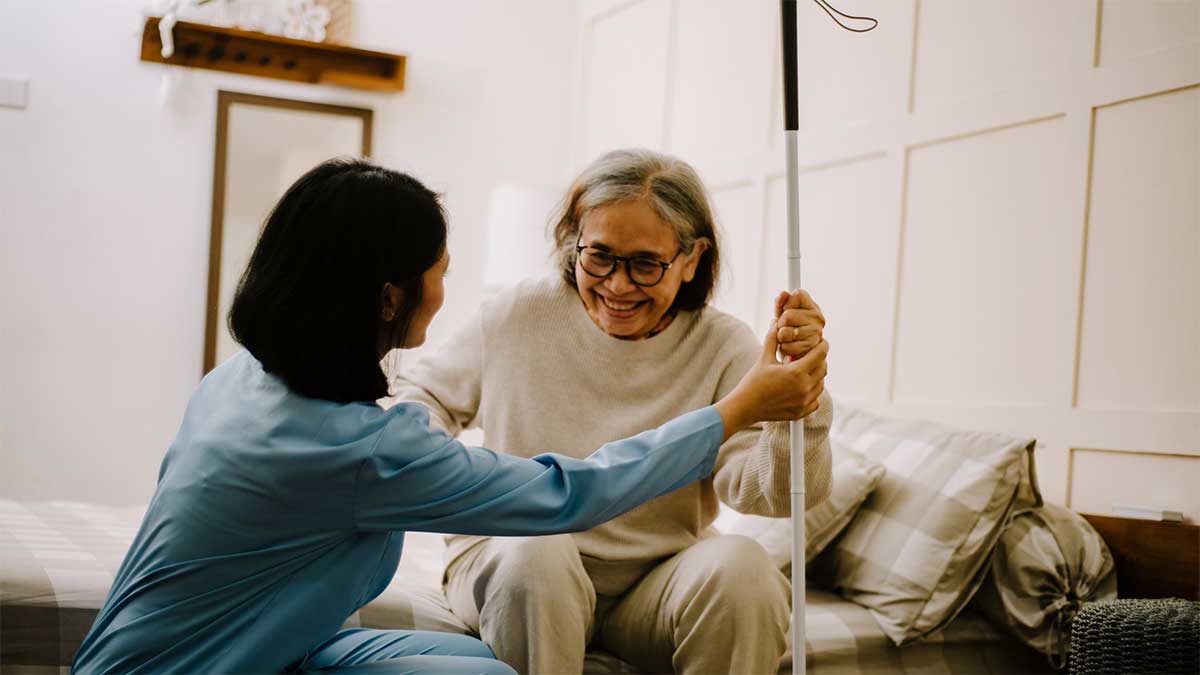

Many seniors in home care are managing chronic conditions such as arthritis, stroke recovery, or Parkinson’s disease. Occupational therapy can make a significant difference in these scenarios:
- Post-Surgery Recovery: After-surgery care is an important part of elderly home care provided by Home Care Providers. Occupational therapists guide seniors through exercises and safe practices that restore strength and mobility after procedures like hip or knee replacements. With structured support, recovery becomes smoother and seniors regain the ability to perform daily tasks more confidently.
- Stroke or Neurological Conditions: Stroke and neurological challenges often affect coordination, balance, and memory. Occupational therapists create tailored routines that focus on building motor skills, improving strength, and stimulating cognitive function. These personalized plans help seniors reduce frustration during daily activities.
- Chronic Pain or Mobility Limitations: Conditions like arthritis or limited range of motion can make everyday tasks difficult. OTs recommend adaptive techniques, home modifications, and guided activities that ease discomfort while keeping seniors active. This balance helps them stay engaged without placing unnecessary strain on their bodies
- Dementia or Cognitive Decline: Dementia care requires careful planning to promote safety and mental stimulation. Occupational therapists design structured activities that encourage memory recall, reduce confusion, and support meaningful engagement.
A Path to Better Living Every Day
Occupational therapy brings small changes that lead to big improvements. From making routines easier to boosting confidence, it allows seniors to keep moving forward with comfort and dignity. At its core, home care therapy can make each day feel more manageable and fulfilling.
Every senior deserves care that helps them live with respect and joy. At Home Care Providers, we make this possible with tailored services focused on safety, wellness, and peace of mind. Let’s talk about how we can make daily life safer and happier for your loved one. Call Home Care Providers today for your consultation.