



Many veterans face challenges managing daily life after service, especially when dealing with medical conditions or mobility limitations. Struggling to get proper care at home can be overwhelming for both veterans and their families.
Fortunately, the VA offers home health care services designed to support daily living, medical needs, and overall well-being. This blog will guide you through accessing these benefits, understanding what’s available, determining eligibility, and connecting with the right providers to ensure you or your loved one receives the care needed at home.
How to Access VA Benefits for Home Care
VA’s home care programs can feel complicated, but understanding the steps involved makes the process smoother. Accessing these benefits requires planning, documentation, and communication with the VA and healthcare providers to ensure your needs are met efficiently.
- Enroll in VA HealthcareThe first step to accessing VA home care benefits is enrolling in the VA health care system. Enrollment is essential because only veterans who are part of the system are eligible for community care services, including in-home assistance. Being enrolled ensures that your medical records are on file, allowing VA healthcare providers to assess your needs accurately and coordinate the right support for your situation.
- Gather Necessary DocumentsBefore applying for home care services, it’s important to gather all necessary documents to make the process as smooth as possible. Having these ready helps prevent delays, ensures your eligibility is verified quickly, and allows the VA to provide services tailored to your needs. Key documents include:
- Social Security Number: Required for identity verification and to match your records with VA systems. This ensures your application is correctly processed and linked to your personal history.
- Military Discharge Papers (DD-214): Confirms your service history and eligibility for VA benefits. These papers are essential for determining your enrollment status and the types of services you qualify for.
- Medical Records: Provides evidence of your current health conditions, treatments, and functional limitations. This helps the VA understand your clinical needs and determine the level of in-home care necessary.
- Additional Documentation: Any supporting paperwork that demonstrates your need for home care, such as physician notes, therapy records, or assessments of daily living challenges. These documents ensure the VA has a complete picture of your requirements.
- Contact the VAOnce you are enrolled and have your documents ready, the next step is to reach out to the VA’s Community Care office. Contacting the VA allows you to start your application, ask questions about eligibility, and learn about the full range of services available. The staff can guide you through the process, connect you with the right providers, and help schedule assessments to determine the level of home care support you may require.
Related Article: The Impact of Home Care on Family Caregivers: Alleviating the Burden
What Benefits Do Veterans Get Through the VA?
The VA provides a variety of services aimed at helping veterans maintain independence, improve quality of life, and reduce stress for both themselves and their families. These benefits cover medical, personal, and supportive care needs to ensure veterans can remain safely at home.
- Personal Care: Personal care attendants assist veterans with everyday needs such as bathing, dressing, grooming, and toileting. They provide hands-on help while maintaining the veteran’s comfort and dignity, ensuring that daily routines are done safely and with care.
- Daily Living Support This service offers help with tasks that keep the home running smoothly, including meal preparation, light housekeeping, and medication reminders. It ensures that veterans live comfortably and continue enjoying a safe, organized home environment.
- Transportation Assistance Veterans can receive help getting to medical appointments, running errands, or going grocery shopping. Reliable transportation services ensure veterans remain active and connected to essential resources without worrying about mobility challenges.
- Respite Care Respite care gives family caregivers a temporary break while ensuring their loved one continues to receive quality care. It provides peace of mind for families who need time to rest, recharge, or attend to personal matters.
- Occupational Therapy Through occupational therapy, veterans receive personalized support to maintain or regain independence at home. Therapists focus on improving daily function, mobility, and safety, allowing veterans to perform essential tasks with confidence.
- Confidential Counseling Counseling services are available for both veterans and their families, offering emotional and mental health support in a private setting. These sessions help address stress, anxiety, grief, or adjustment challenges that may come with aging or life transitions.
- Companion Care Companion care provides friendly and supportive company for veterans who may live alone or need social engagement. Caregivers offer conversation, emotional support, and assistance with light activities, helping reduce loneliness and improve overall well-being.
Also Read: Understanding the Different Types of Home Care Services Available
Eligibility and Access
Before applying for VA home care services, it’s important to understand who qualifies and how the services are delivered. Eligibility depends on medical needs, service history, and enrollment in the VA healthcare system.
Eligibility Criteria
Specific eligibility for veteran home care services is based on a veteran’s medical and financial situation, as well as their service-connected conditions. To qualify, the veteran must meet the following key requirements:
- Honorable Discharge: Veterans must have been discharged under conditions other than dishonorable.
- Clinical Needs: Eligibility also depends on demonstrating functional limitations in performing Activities of Daily Living (ADLs), such as bathing, dressing, eating, and toileting. Additionally, veterans must require help with Instrumental Activities of Daily Living (IADLs), which include meal preparation, light housekeeping, and grocery shopping.
- Medical Assessment: A VA healthcare provider must perform an assessment to evaluate the veteran’s medical condition and confirm their need for in-home care services.
Community Care Network (CCN)
Once eligibility is confirmed, veterans can access care through the VA’s Community Care Network (CCN). This network connects veterans to community-based providers who deliver services such as personal care, daily living assistance, and respite support. Through CCN, veterans receive the help they need in their homes while remaining closely connected to VA oversight and quality standards.
Common Mistakes to Avoid When Applying
Many veterans face delays or denials due to missing paperwork, incomplete applications, or unclear documentation of medical needs. Knowing what to avoid ensures a smoother process and faster access to care. Below are the most common errors and how to prevent them:
- Missing or Incomplete Documents: Submitting an application without all required forms or records is one of the most common causes of delay. Always double-check that you’ve included your Social Security number, discharge papers (DD-214), and medical records that support your need for home care services.
- Lack of Medical Documentation: Failing to provide clear evidence of your clinical condition can lead to a denial. Make sure your healthcare provider includes detailed notes about your limitations with Activities of Daily Living (ADLs) and Instrumental Activities of Daily Living (IADLs).
- Not Enrolling in VA Healthcare First: Veterans must be enrolled in the VA healthcare system before applying for community or home care benefits. Skipping this step can delay approval or make you temporarily ineligible for services.
- Unclear or Outdated Information: Providing incomplete or outdated contact details, addresses, or healthcare provider information can cause miscommunication and slow down processing. Review your forms carefully before submission.
- Failure to Follow Up: Some veterans assume their application is being processed and never check back. Regularly following up with your VA Community Care office helps you stay updated on your application status and address any missing information quickly.
How to Choose the Right Home Care Service Provider
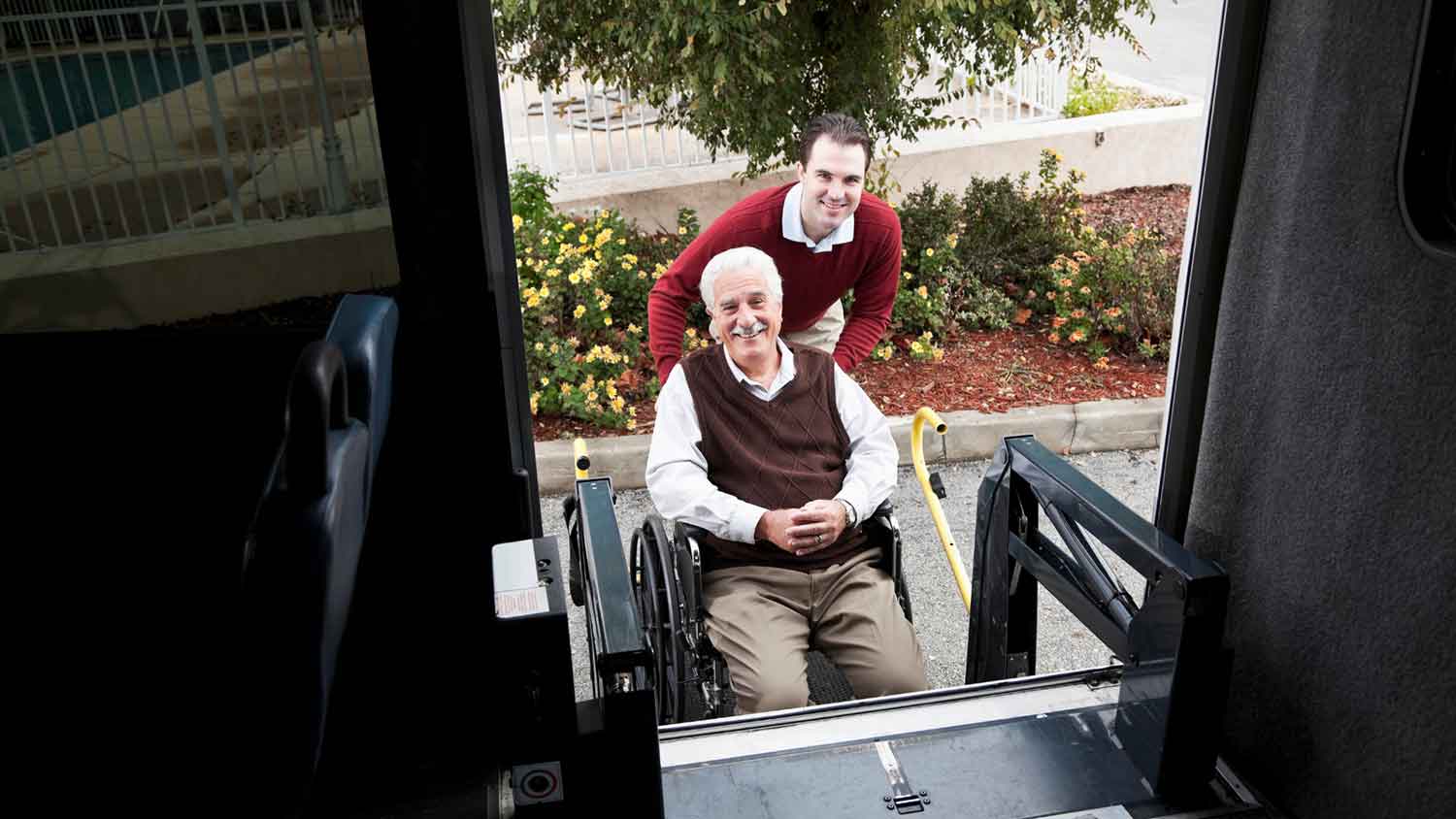

Choosing the right provider is critical for quality care at home. Look for certified, experienced professionals who understand veterans’ unique needs, can coordinate with the VA, and provide personalized support to improve daily living and overall well-being.
Here are key factors to consider when selecting a provider:
- VA Coordination Experience
Choose a provider familiar with VA programs and paperwork. This ensures they can help manage your benefits efficiently and work directly with VA representatives for smoother communication and faster approvals. - Qualified and Trained Staff
Make sure caregivers are licensed, background-checked, and trained in assisting veterans with physical limitations, chronic illnesses, or recovery needs. Experienced professionals can provide the right level of care and support. - Range of Services Offered
Look for providers offering both medical and non-medical care, from personal assistance and therapy to meal preparation and companionship. A wide range of services allows for flexibility as care needs change over time. - Personalized Care Plans
Reliable providers create customized care plans tailored to each veteran’s health condition, schedule, and personal preferences. This ensures consistent and compassionate support that promotes independence. - Communication and Transparency
Effective communication between caregivers, families, and healthcare professionals is essential. Choose an agency that keeps you informed and responds promptly to questions or concerns. - Commitment to Comfort and Dignity
The best elderly home care providers focus on maintaining dignity, respect, and emotional well-being while delivering physical support. Compassionate caregivers make a lasting difference in quality of life.
Read More: Supporting Veterans at Home: The Role of Home Care Provider
Home Care Providers — Your Partner in Veteran Support
Securing the right home care can make all the difference in a veteran’s comfort, independence, and peace of mind. With the right guidance and compassionate caregivers, veterans can enjoy the care they deserve while staying in the place they call home.
At Home Care Providers, we’re dedicated to helping veterans access trusted, high-quality in-home assistance tailored to their unique needs. Our experienced team works closely with families and the VA to ensure every step is handled with care and professionalism.
Contact Home Care Providers today to learn how our services can support you or your loved one in maintaining comfort, independence, and dignity at home.